
Low voter turnout should be a concern for all who value the democratic process
High voter turnout is vital for a healthy democracy
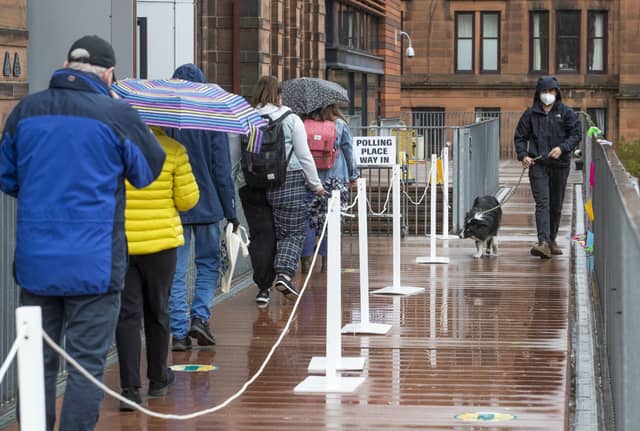


With polling day for the Holyrood election less than a month away, predictions of a low voter turnout should be cause for concern across the political spectrum.
Ailsa Henderson, a professor of political science at the University of Edinburgh, has warned turnout in Scotland on May 7 could be in the “low to mid 50s”.
This would be substantially down on the last vote in 2021, when 63.5 per cent of the electorate turned out - the highest level in the history of devolution.
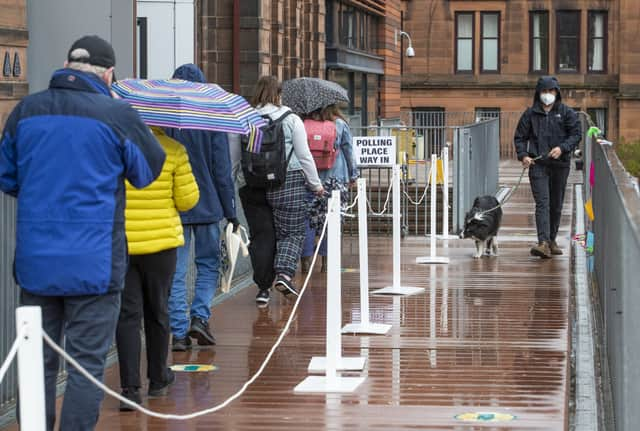
The figure for 2021 is thought to have been artificially high because of the impact of the coronavirus pandemic.
Even so, all parties ought to be pulling out all the stops to try to achieve a similar level of political engagement this time around.
Prof Henderson points out that low turnouts tend to favour parties which are more heavily reliant on older voters, which means that younger people risk being under-represented in the next Scottish Parliament.
This is a very real possibility amid widespread voter apathy - or the “scunner factor”, as the sentiment has been widely described.
Since 2021, voters appear to have become increasingly disillusioned with politics in general, leading to an attitude that could be described as “a plague on all their houses”, coupled with a surge in support for parties that were previously outside the political mainstream.
A defining feature of the forthcoming elections - at the Scottish Parliament, the Welsh Senedd and councils across England - could be a rise in support for parties such as Reform UK and the Greens at the expense of the likes of Labour and the Conservatives.
Prof Henderson notes there is potential for significant movement between opinion polls and the result, with the Scottish electorate containing “rather a lot of late deciders”.
Whatever the outcome next month, Scots who fail to exercise their democratic right at the ballot box are likely to have five years to reflect on that failure.
Comments
Want to join the conversation? Please or to comment on this article.