
Why Scotland has consistently punched above its weight on the field of battle – Iain MacGregor
Iain MacGregor, author of Battle: The Moments that Transformed Warfare from Ancient Greece to Ukraine, explains how adapting to new developments is key to success on the battlefield
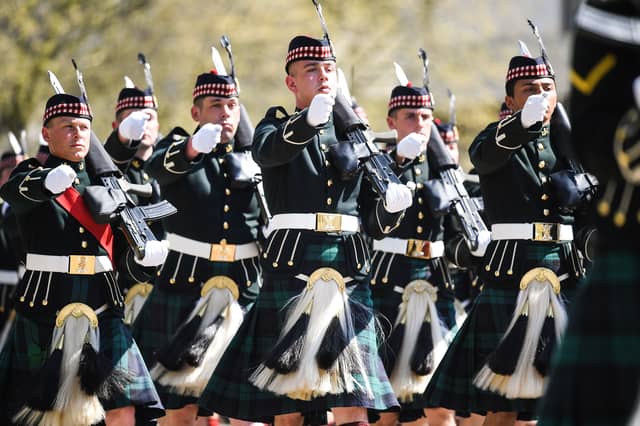

“In war, the morale is to the physical as three is to one.” So said Napoleon Bonaparte. When I was writing Battle, my history of warfare from Ancient Greece to Ukraine, I dedicated the book to my grandfather, Sergeant Benjamin MacGregor of the Gordon Highlanders.
To most readers, it is a line that can easily be passed over. To me, it means much more. I grew up surrounded by stories of military service. My family tree reaches back through generations of soldiers, men who served in famous Highland regiments like the Gordon Highlanders, Black Watch and Seaforth Highlanders. Long before I became a historian, those family stories sparked my fascination with warfare.
Researching 3,000 years of conflict, I was repeatedly struck by a simple fact. Scotland is a small nation, yet its soldiers have appeared at some of history's most decisive moments. From Bannockburn to Waterloo, the Siege of Lucknow to the Boer War, and the Somme to El Alamein, Scots have consistently punched above their weight. The question is why.
Part of the answer lies in geography and history. For centuries, Scotland existed on the edge of larger struggles, whether the Civil War of the 1640s, Europe's continental wars of religion, or conflicts within the British Empire.
Scottish military history is not simply about victories. Quite the opposite. It’s a story of learning from success and failure. Adaptation is the thread that runs through its military past.
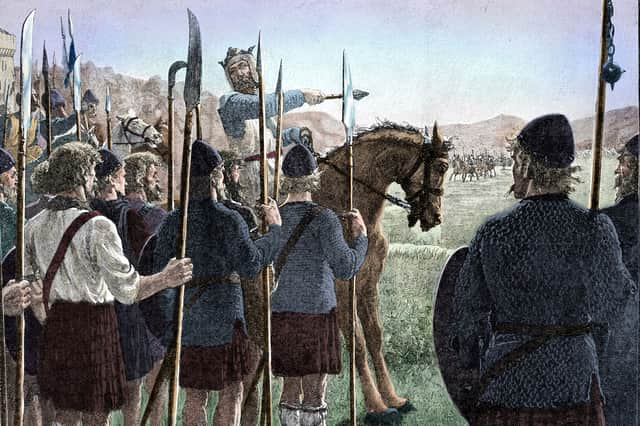
No battle looms larger in Scotland's memory than Bannockburn in 1314. More than seven centuries later, it remains a defining event in the nation's history. Robert the Bruce faced a larger English army under Edward II and understood that victory would depend on more than courage. Terrain, discipline and leadership mattered just as much.
What fascinates me about Bannockburn is not simply that Bruce won but how he won. From bitter experience, he knew he couldn’t defeat England by fighting on their terms. But by exploiting the ground and deploying disciplined formations of spearmen against English mounted charges, he transformed apparent weakness into decisive advantage. Scotland prevailed because it adapted.
If Bannockburn demonstrates the rewards of adaptation, Culloden demonstrates the consequences of failing to keep pace. The famous Highland charge had long been a feared tactic, but in 1746 the Duke of Cumberland's troops were trained to counter it. Bonnie Prince Charlie’s starving Highlanders confronted an enemy that had adapted first. The result was catastrophic.
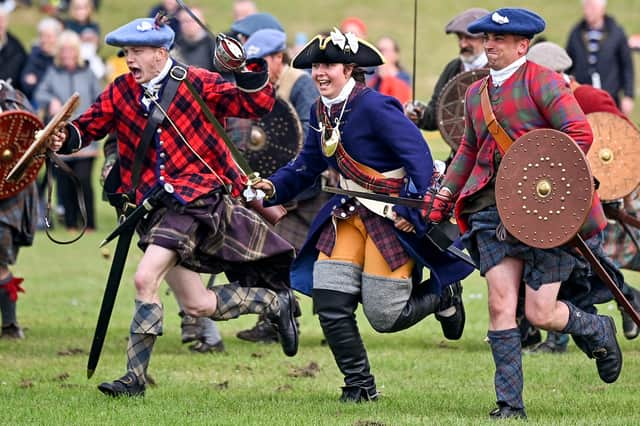
The contrast between those two battles reveals a lesson that reaches far beyond Scotland. Victory and defeat are rarely inevitable. More often, success belongs to those who evolve more quickly than their opponents.
That lesson would reappear in the following centuries. By the 19th century, Highland regiments were among the most recognisable formations in the British Army, admired for their discipline, professionalism and endurance. General Harry Smith famously declared: “… there are no troops in the world superior to the Highlanders.” A sweeping claim, but one that reflected the reputation Scottish regiments had earned.
One was my grandfather's regiment, the Gordon Highlanders, established in Aberdeenshire in 1794. They served in the Napoleonic wars, fought in the Boer War, endured the horrors of the Western Front and later faced Rommel's forces in North Africa. Their story mirrors Scotland's military story: not one of unbroken triumph, but of continual adaptation to new forms of warfare.
My grandfather belonged to the generation shaped by the Second World War. Like countless others, he wasn’t thinking about battle honours or future historians. He was concerned with surviving, doing his duty and helping those beside him.
In that respect, his experience was probably closer to that of a Bannockburn spearman than we might imagine. The weapons had changed. The human realities had not.
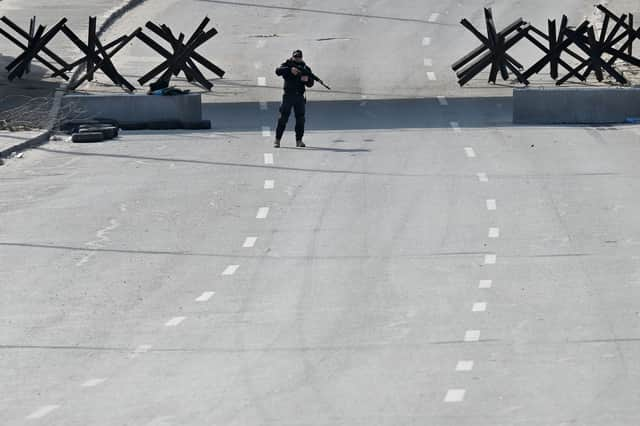
That was one reason I concluded my book with Ukraine. Watching the defence of Kyiv in 2022, I was reminded of themes that surface throughout military history. Technology evolves at astonishing speed, yet the underlying lessons remain remarkably familiar.
Successful armies are rarely those with the greatest advantages on paper. More often, they are the one that adapt and learn fastest, while maintaining their resilience when events turn against them.
Looking back across 3,000 years of warfare, what struck me most was not what has changed but what has endured. A spear at Bannockburn, a rifle at El Alamein and a drone outside Kyiv belong to different worlds. Yet the qualities required of those who use them are similar. Equipment changes, emotions do not.
For Scotland, that lesson has a particular resonance. Ours is a nation that remembers. Across the country, war memorials stand in village squares, regimental museums preserve stories of famous units, and families pass memories of service from one generation to the next. Few are not inspired by that inheritance.
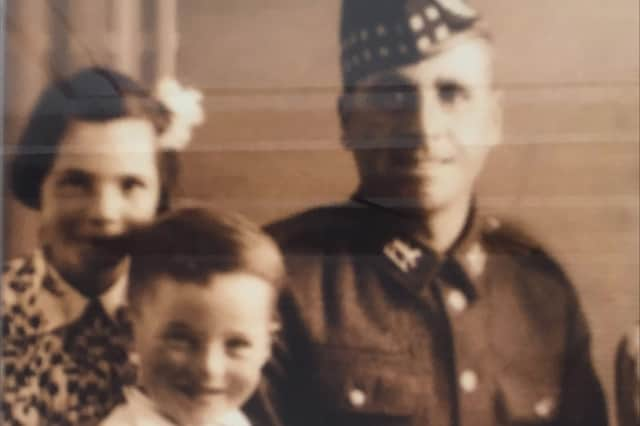
My book’s dedication to my grandfather is, therefore, more than a personal acknowledgement. He was one of thousands of Scots who served, just as generations before him did. Most never expected to find themselves in history books. Yet together they helped create a military tradition that stretches from medieval times to the 21st century.
Writing Battle convinced me that Scotland's contribution to military history is not simply about famous victories or regiments. The deeper story is one of adaptation. In an age when war has once again returned to Europe, those lessons feel less distant.
History reminds us that resilience, leadership and the ability to adapt can matter as much as numbers or technology. They mattered to Robert the Bruce, the Gordon Highlanders, my grandfather, and they remain among Scotland's greatest strengths today.
Iain MacGregor is a Royal Historical Society fellow and author of Battle: The Moments that Transformed Warfare from Ancient Greece to Ukraine
Comments
Want to join the conversation? Please or to comment on this article.