
UK Budget 2025: Chancellor Rachel Reeves must find ways to help struggling businesses
The Chancellor has limited room for manoeuvre amid many competing demands but finding ways to help businesses grow is vital

Rachel Reeves may feel like she is under bombardment from all sides as she attempts to find a safe path towards a brighter future for the UK economy. Business groups, unions, campaigners and politicians are all calling for one thing or another.
It seems like more money is needed for, well, everything, but taxation and the national debt are at historically high levels. There is a sense that the Chancellor is stuck and uncertain how to proceed, as exemplified by the swift U-turn over her heavy hint that she was going break a manifesto pledge by raising income tax.
Few Chancellors have had it easy in the years since the 2008 financial crash, but she appears to be in a particularly difficult situation. And so, to a degree, she has our sympathies.
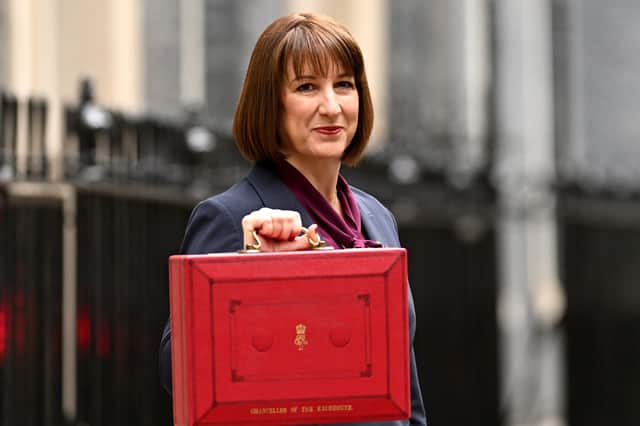

Going for growth
That said, Labour has hardly been making much progress on an even more important pledge in their 2024 manifesto: to “kickstart economic growth” and create “good jobs... in every part of the country, making everyone, not just a few, better off”. Their failure to make a noticeable impact on that score is the primary reason why Keir Starmer is so unpopular.
If the economy was doing well, the cost-of-living crisis would be less of a problem. The increased revenues could be used to fund tax cuts or increased spending – particularly on the NHS and defence.
So if there is one plea that Reeves should listen to, it is the collective cry for help from business – particularly the hospitality and oil and gas sectors.
Private businesses are the drivers of economic growth. If they struggle, so does the country. This is a simple reality that all Chancellors, of whatever party, need to grasp.
The national debt problem
Recent figures showed the government borrowed £17.4 billion in October, more than expected. And between April and October, borrowing totalled £116.8bn, the second highest level for that period since records began in 1993 – only surpassed by 2020, the year the Covid pandemic struck.
Servicing all this debt means less money to fund public services and limits the scope for business tax cuts. Increasing it only exacerbates the situation.
Reeves must be cautious on tax rises that could tip the country into a recession. However as the government appears incapable of preventing rebellions by left-wing Labour MPs, she will also be anxious to avoid significant public spending cuts.
However, we hope she is working hard to find whatever savings, wherever she can. Because she, and the country, need them.
Comments
Want to join the conversation? Please or to comment on this article.