
‘Build more prisons’ is a snappy slogan that won't make Scotland safer. Here's what will
Investing earlier in crime prevention – in education, mental health, addiction support and life chances – will lead to fewer victims and more people contributing economically and socially

The Sentencing Commission’s report has already been dissected, debated and, in some quarters, weaponised. There’s been a focus on proposals to end short-term sentences, shift release points to two-thirds of sentences, reduce the use of remand where no custodial sentence is possible, and move Scotland towards genuine decarceration.
Each of these is a substantial policy issue in its own right. And as we move towards a Scottish election, plenty of political hay will be made. My hope is that the substance of the report has not been lost in the inevitable noise of campaigning, commentary and claims about who is ‘tough’ or ‘soft’. These are debates we must have, honestly, publicly, and with a willingness to look at evidence rather than headlines.
At a presentation I attended recently, it was noted that only around 13 per cent of people cite justice as one of the areas they most want government to prioritise. The cost of living, health services and the economy dominate, understandably, because they affect all of us every day. And yet crime occupies the front pages and almost the entirety of Netflix’s catalogue (other platforms are available, but they are no less crime-obsessed).

No easy fixes
Perhaps that’s because many people will never directly experience the justice system. For some, their closest contact will be a gritty box set or a true-crime podcast. The reality is far less dramatic and far more concerning.
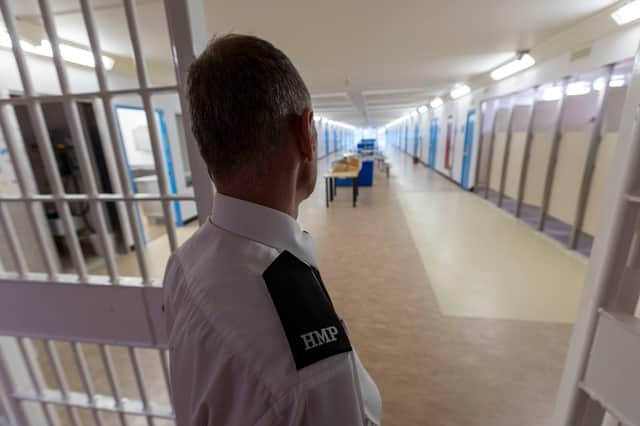
We have a creaking system that manages some of the most complex people and circumstances in society. Increasingly, those holding it together feel they have no levers left to pull. No spare capacity. No easy fixes. No room to absorb further pressure. That should give us all pause.
We need a bigger national conversation about the public services we want and the price we are willing to pay. Let me be upfront. Convincing the public that justice needs more money is harder than passing a camel through the eye of a needle.
Investing in crime prevention
But what about where we spend it? Could I persuade you that investing earlier in crime prevention, early years, education, mental health, addiction support and life chances will lead to fewer victims, safer communities and more people contributing economically and socially?
‘Build more prisons’ is a snappier slogan than ‘let’s organise ourselves around prevention for a safer Scotland’. But only one of those is backed by decades of evidence. More prisons do not produce safer communities. Earlier intervention does.
There will be intense focus on the Sentencing Commission’s report and the implications for victims, accused people, communities, public finances and what it would take to implement change. None of it will be quick.
READ MORE: Prisoners 'guinea pigs' for new drugs flooding jails as overdoses spike amid overcrowding crisis
As I worked through the recommendations, it was clear that many require long-term commitment – a ten to 15-year plan – if we are serious about building a justice system that meets the needs of victims, people who offend, and the staff who keep it running.
You may be instinctively supportive or sceptical of these proposals. You may agree with the direction but worry, reasonably, about cost in tight financial times. But this moment offers something rare: an opportunity to take a step back, acknowledge our current reality and ask what kind of justice system – and society – we want for Scotland’s future.
Karyn McCluskey is chief executive of Community Justice Scotland