
National Trust Scotland urged to euthanise ill St Kilda sheep ahead of winter
The sheep have been confirmed as ‘functionally wild’ but recommendations have been made to step in for welfare reasons
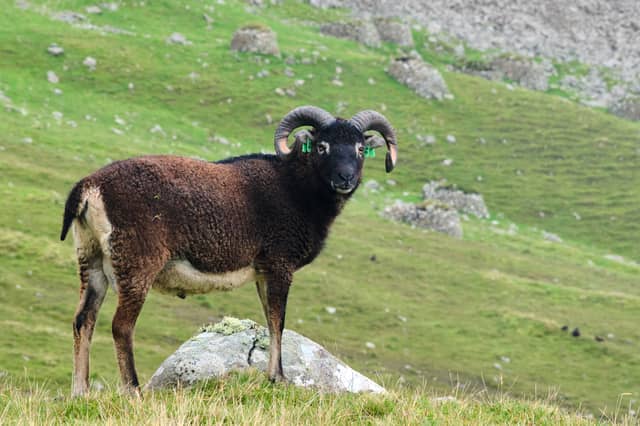


The National Trust for Scotland has been urged to prepare to euthanise suffering sheep on St Kilda before winter, after an animal welfare investigation warned that some animals were enduring slow and painful deaths.
In a report published this week, the Scottish Animal Welfare Commission (SAWC) called for equipment, veterinary drugs and trained personnel to be available to put individual animals out of their misery when they are suffering and unlikely to recover.
The report’s conclusions also reinforced the long-standing position of the Scottish government that the sheep on St Kilda should be considered wild animals — a conclusion that runs counter to statements made over recent years by several vets when it comes to the status and management of the flock.
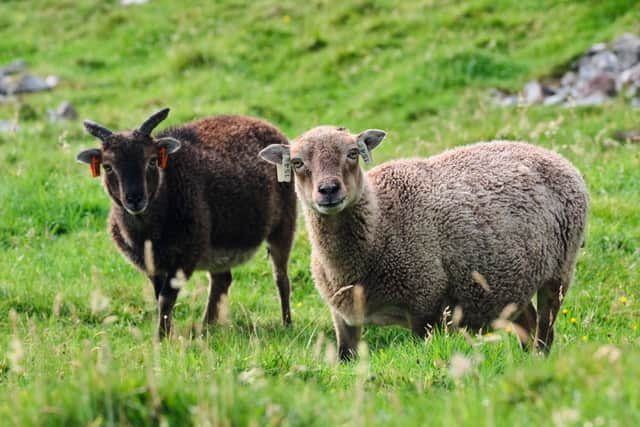
The SAWC report said that the Soay and Boreray sheep, despite their domestic origins, had become “functionally wild”, saying “they possess adaptations which allows them to exploit the environments in which they live and, despite having once been domestic animals under the care of man, they are capable of living and thriving without human interventions.”
That assessment is central to an ongoing debate over how the animals should be managed when it comes to their welfare. The sheep have largely been left to fend for themselves on the remote Outer Hebridean archipelago for the last century, during which natural selection, food shortages, disease and severe weather have shaped the herd into how they exist today.
Campaigners who gave evidence to the SAWC described hundreds of annual deaths and raised concerns that some sheep had been left to starve when their suffering could have been ended. The SAWC’s investigation also included evidence from scientists, animal welfare specialists and a visit to the islands in April this year.
The SAWC concluded that euthanasia of individual animals clearly suffering was the only intervention it had considered that would deliver an unambiguous overall improvement in welfare.
The conclusions did not suggest a general cull or routine supplementary feeding, warning that other interventions could introduce further welfare problems. Instead, it called on the National Trust for Scotland (NTS), which oversees the islands and the management of the flock, to develop a dedicated animal welfare plan with regular monitoring and clear procedures for dealing with sheep that are sick, injured or dying.
The SAWC said that arrangements should be in place before winter, when the animals face the risk of starvation, disease and exposure to harsh weather. The NTS said it has yet to confirm whether it will implement the proposed euthanasia arrangements before the onset of the worst conditions.
St Kilda lies about 40 miles west of the Outer Hebrides and is home to populations of primitive sheep on Hirta, Soay and Boreray. The animals are of particular scientific interest because their isolation provides a rare opportunity to study natural selection and the pressures affecting populations living largely beyond human control.
The Soay sheep on Hirta have been studied for decades via the Soay Sheep Project, which the SAWC said should be called on to provide input for a management plan for the flock. While the project does not manage the herd, it brings unusually detailed insight into how an unmanaged population responds to fluctuations in food availability, weather and disease.
Professor Dan Nussey, a member of the St Kilda Soay Sheep Project, said: “The St Kilda Soay sheep project welcomes the review and we will continue to work in close collaboration with the National Trust for Scotland, which owns the islands and is currently undertaking its own review of the management of sheep on St Kilda.”
Comments
Want to join the conversation? Please or to comment on this article.