
Why larger and smarter EVs are ruling the streets

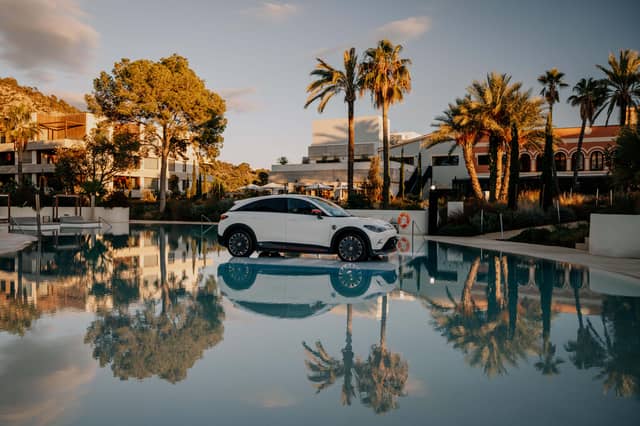

A new surge of electric SUVs is altering what drivers expect from an EV.
For such a long time, electric vehicles in the UK have been generally seen as simply compact cars for the city centre. These smaller EVs were practical, zippy, and perfect for brief metropolitan journeys. However, the vehicles didn’t meet the requirements of motorists searching for a car with significant room, luxury, or the ability to handle long distances.
The shift is happening now, as there are over 1.8 million electric cars registered on UK roads. Growing numbers of electric SUVs are altering just what drivers expect from an EV. These newer vehicles can combine the eco-friendly advantages of electric driving with the usefulness and power of owning a larger car. Families, in particular, are increasingly choosing an electric SUV for bigger households. EVs account for more than 20% of new UK registrations in 2025.
This shows how people are using their vehicles. Dropping off and picking up the kids from school, weekend shopping trips or football practice, and everything in between require more than just efficiency. It’s clear that motorists are looking for flexibility and electric SUVs are gradually providing exactly that.
How driver requirements are changing the EV market
SUVs (or sports utility vehicles) have remained increasingly popular in the UK for years, and that demand is transitioning straight into the electric age.
The reasons are quite straightforward. The space is a key factor when compared to hatchbacks, as SUVs provide considerably more room for passengers and baggage. Regardless of whether it’s packing for a trip or purely dealing with routine life, the extra boot size makes a whole world of difference.
The driving position is also appealing to many drivers, as sitting higher up on the road delivers improved visibility and a better feeling of control, especially on longer rides or hectic motorways.
The flexibility of an SUV is notable, too, with foldable rear seats and adjustable interiors mean that SUVs can handle a vast array of requirements without compromise. For any driver shifting to an electric vehicle, these recognisable benefits make the shift much smoother.
Newer tech is altering expectations
Modern electric SUVs are not just becoming bigger, but smarter as well. Developments in batteries, AI assists, and general vehicle construction have unlocked features that were once restricted to more luxury models.
Large entertainment displays in the front and rear (useful for the kids on long trips), smooth connectivity, and cutting-edge driver assistance systems are now becoming standard with purchase, instead of optional extras.
Range is yet one more area where expectations have changed significantly. EVs frequently needed careful scheduling in the past, but today’s models are created with longer drives in mind. 250-300 miles on a single charge is now commonplace for mid-range electric SUVs, which helps long-distance travel plans.
Combined with rapid developments in the UK’s charging infrastructure, electric SUVs are highly practical for both casual use and bigger road trips.
Fast-charging capability is likewise becoming a major factor, as the UK offers over 60,000 public charging connectors. Updated charging stations allow drivers to top up their battery in the time it takes to drink a coffee and have a short break. This, of course, makes electric car ownership a lot more accessible than it once was.
A new era of electric SUVs is emerging now
A clear signal of the EV movement is the appearance of models that defy perceptions of what certain brands had initially represented.
Take the smart #5 electric SUV, for instance. Previously known only for smaller city cars that were also useful for parking, smart has moved determinedly into the premium electric SUV market. The smart #5 displays how far this sector has advanced, as it blends long-range and fast-charging capability with an expansive tech-focused interior.
It goes to show that drivers no longer must decide between a car that is practical and efficient, but they can have both in a single EV.
Expediency meets everyday usefulness
Charging used to be a barrier, yet now it’s much simpler. Home charging is still the most convenient selection for many drivers, however, public networks across Britain are increasing rapidly. Supermarkets, petrol stations, and city centre locations are all playing a part in making charging more straightforward.
Total running costs are an extra reason as to why electric vehicles are so desirable, as they offer lower day-to-day costs when compared to petrol or diesel cars. Fuel prices and maintenance costs aren’t getting cheaper, and for a car which runs on electricity and has fewer moving parts to replace, it helps families to manage monthly budgets and save hundreds of pounds per year.
Manufacturers are beginning to respond by investing heavily in bigger, more capable electric models. Consequently, the choices are rising, technologies are improving, and the gap between electric and traditional vehicles continues to decline every year.