
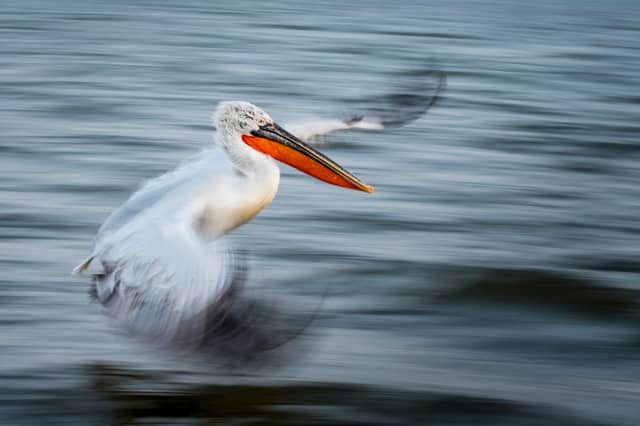

An image of a flying Dalmatian Pelican, taken by Alwin Hardenbol, has been awarded Overall Winner in the British Ecological Society’s annual photography competition, ‘Capturing Ecology’.
The winning images and an additional 16 highly commended images, taken by international ecologists and students, celebrate the diversity of ecology; capturing flora and fauna from across the planet. Subjects range from a showdown between a roadrunner and rattlesnake, flamingos feasting at sunset and a close-up of a friendly humphead wrasse.
On her winning image, Alwin, a PhD candidate at the University of Eastern Finland, said: “I gave this image the title The art of flight because of how impressive this bird's wings appear in the picture, you can almost see the bird flying in front of you despite it being a still image.
“I used a technique called panning which involves using a slow shutter speed and moving the camera along with the bird as it flies. In a perfect scenario, the background and most of the bird will show blurred movement but the head should be sharp. I took thousands of pictures and while most failed, I was very happy with this shot.
“Winning such a competition as an ecologist provides me with the opportunity to continue combining my research with my passion for nature photography.”
Alwin also won the ‘People and Nature’ category with an image of a black-legged kittiwake, an internationally vulnerable species, nesting on a decrepit building in Varanger, Norway.
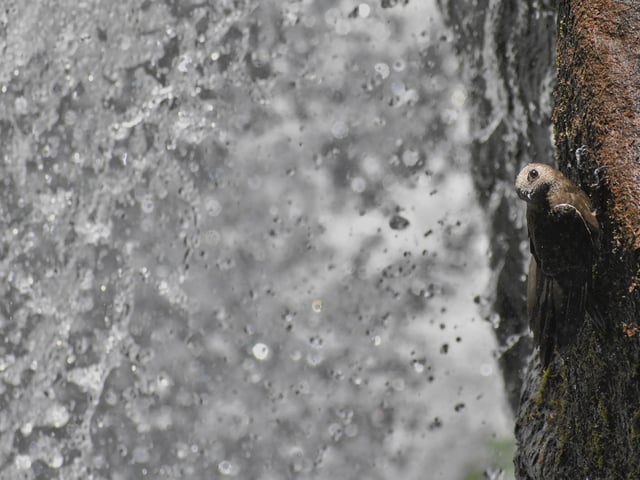
The overall student winner is Pablo Javier Merlo, who is studying Biology at the Nacional University of Córdoba, Argentina. Pablo’s image captures a Great Dusky Swift perched on the steep rocky walls of the Iguazú falls in Argentina. These birds, known as ‘waterfall swifts’ in Latin America, can be found flying among the 80 metre high waterfalls.
Pablo said: “The Iguazú National Park has remarkable importance since it protects a very diverse natural ecosystem, and the waterfall swift is an important icon of Iguazú and its diversity.
“I am very grateful to be selected as one of the winners and feel motivated to continue learning about photography, which is an excellent tool to show our planet's wildlife and how it relates to its environment.”
The independent judging panel included six highly respected photographers including eminent ecologists and award-winning wildlife photographers.
9. Wolf Fascination - Peter Hudson.jpg
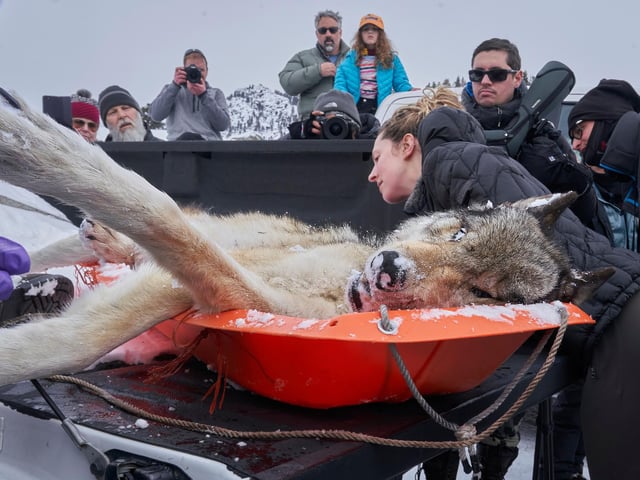
Category 5 – Ecology in Action Showcasing the practice of ecology in action Winner: Peter Hudson, Penn State University Wolf Fascination: My grad student Ellen being watched by fascinated visitors to Yellowstone as she examines one of her study animals, a wolf killed in a fight for dominance. This female was exiled from the Junction Butte pack after she had killed the pups of the alpha female, her own sister. Photo: Peter Hudson
10. Waterfall swift - Pablo Javier Merlo.jpg
Overall student winner: Pablo Javier Merlo, Nacional University of Córdoba, Argentina Waterfall Swift: Cypseloides senex is a species of swift known in Latin America literally as "Waterfall swift". It can be found on the steep rocky walls (up to 80 meters high) of the Iguazú Falls, flying frequently near and through these waterfalls offering a unique show. Photo: Pablo Javier Merlo
11. Into the Lion's den - Sam England.jpg
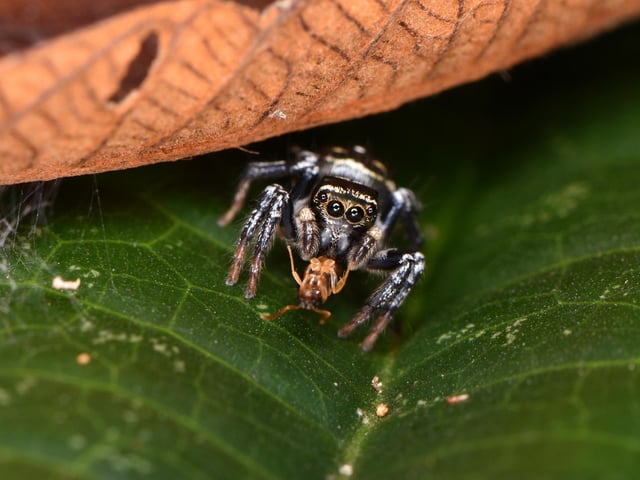
Category 2 – Dynamic Ecosystems Demonstrating interactions between different species within an ecosystem. Student winner: Sam J England, University of Bristol Into the Lion's Den: A jumping spider (family Salticidae) sits at the edge of its den, constructed on the underside of a fallen leaf in the rainforests of Costa Rica, as it triumphantly feasts upon its unfortunate insect prey. Photo: Sam J England
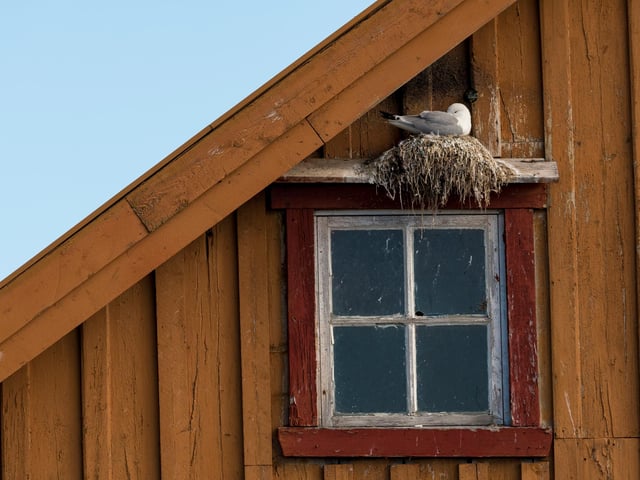
12. Housing for the threatened - Alwin Hardenbol.jpg
Category 4 – People and Nature An interesting and original take on the relationships between people and nature. Winner: Alwin Hardenbol, University of Eastern Finland Housing for the threatened, In Varanger, Black-legged Kittiwakes (Rissa tridactyla) often like to nest on decrepit buildings. It's a quite fascinating behaviour for this internationally vulnerable bird species. Photo: ALWIN HARDENBOL