
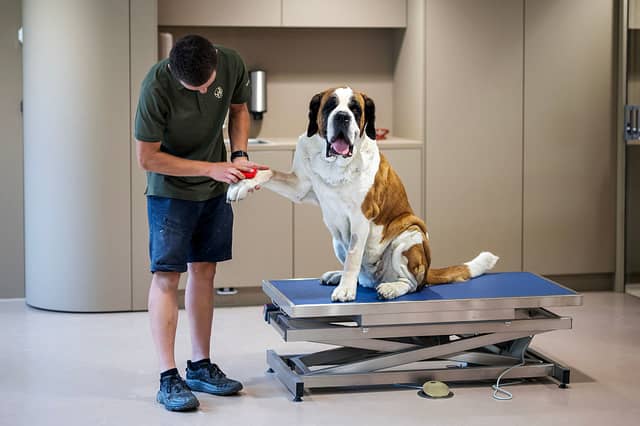

Dogs come in all shapes and sizes - the UK Kennel Club recognises 221 different pedigree dogs, from Affenpinscher to Yorkshire Terrier (there are sadly no dog breeds starting with the letter ‘z’!).
Then there are all manner of crossbreeds, from so-called ‘designer dogs’ to lovable mongrels.
Each has its own list of positive and negative attributes, and it’s important to take plenty of time to think about what breed will fit into your lifestyle the best - for instance a smaller dog if you live in a flat, or a hypoallergenic dog if the mere mention of dog hair makes you think about sneezing.
There is even scientific research to guide you, in particular psychologist Stanley Coren’s groundbreaking book The Intelligence of Dogs.
One thing to bear in mind when looking for a new dog is that certain breeds are predisposed to certain health conditions which, in some cases, may shorten their life.
This doesn’t mean that they don’t make great pets – in fact some are amongst the most popular and loved dog breeds in the UK – but it’s important to know that there are potential issues so you know what symptoms to look out for so you can make sure your pooch gets the best possible early treatment.
Here are the 12 breeds of dog that have the most known health issues.
Make sure you don't miss a moment of breaking news from across Scotland by signing up to our free newsletter here.

1. Labrador Retriever
The UK's favourite breed of dog comes with its own list of health issues to look out for. Sadly they develop cancer more often than other breeds, can suffer from elbow and shoulder dysplasia, as well as muscular dystrophy which attacks the muscles. Be careful of the amount your pet exercises too - Labs are prone to exercise-induced collapse if they get too excited. | Getty Images for Westminster Ken

2. Golden Retriever
What's true of the Labrador Retriever tends to also be the case with close cousin the Golden Retriever - and this extends to health issues. They are also prone to developing ichthyosis, a genetic skin condition. | Getty Images

3. Basset Hound
Basset Hounds are utterly adorable but are prone to a range of joint issues, digestive issues including bloating and the serious blood clotting condition Von Willebrand. Taking out health insurance on this breed is essential and regular vet visits for checkups recommended. | AFP via Getty Images

4. German Shepherd
Obtaining a German Shepherd from a good breeder should hopefully minimise the risk of getting a dog with hip dysplasia - a painful condition that affects puppies that can be prevented through careful screening. German Shepherds are also more likely to develop cataracts, cardiomyopathy, and skin allergies than most other breeds. | AFP via Getty Images