
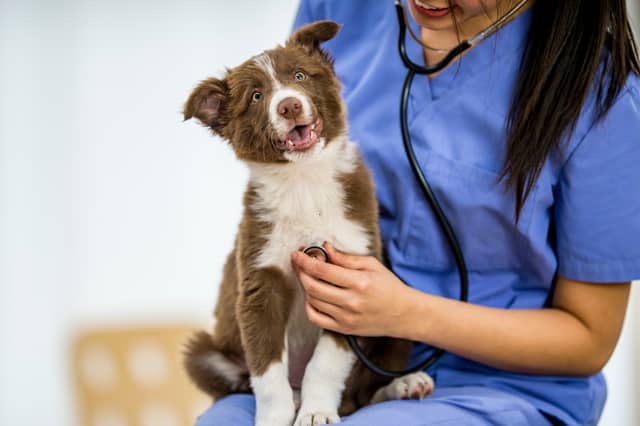

Dogs come in all shapes and sizes - the UK Kennel Club recognises 221 different pedigree dogs, from Affenpinscher to Yorkshire Terrier (there are sadly no dog breeds starting with the letter ‘z’!).
Then there are all manner of crossbreeds, from so-called ‘designer dogs’ to lovable mongrels.
Each has its own list of positive and negative attributes, and it’s important to take plenty of time to think about what breed will fit into your lifestyle the best - for instance a smaller dog if you live in a flat, or a hypoallergenic dog if the mere mention of dog hair makes you think about sneezing.
There is even scientific research to guide you, in particular psychologist Stanley Coren’s groundbreaking book The Intelligence of Dogs.
And one thing you might like to consider is that some breeds tend to stay healthier for longer, meaning your vet bills shouldn’t be too painful and your pet has a better chance of a pain-free and lengthy life.
The Labrador Retriever, for instance, may be the world’s favourite dog, but they are predisposed to ear, eye and joint problems.
Here are 12 of the healthiest dog breeds.
Make sure you don't miss a moment of breaking news from across Scotland by signing up to our free newsletter here.
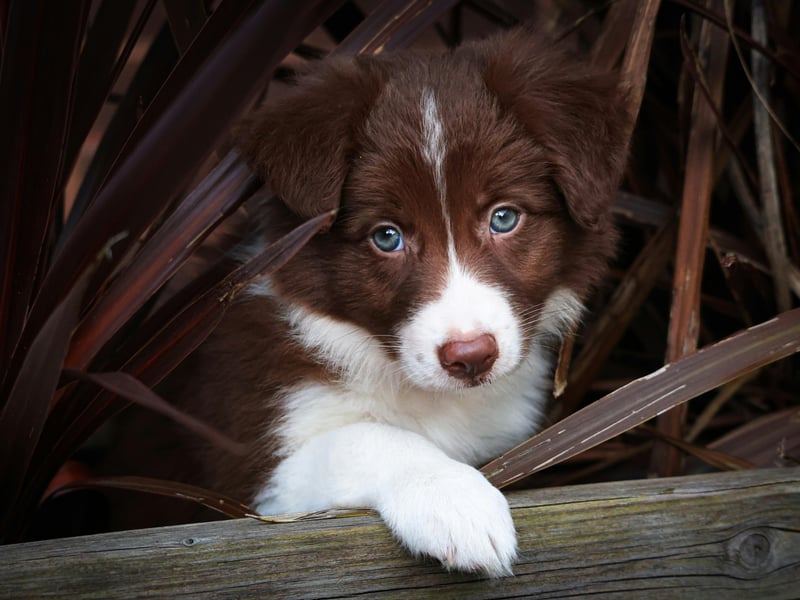
9. Border Collie
The lively and loveable Border Collie used to suffer frem several genetic conditions but DNA testing by breeders has helped eliminate many of them, meaning they tend to now be one of the healthiest breeds. Deafness and epilepsy are the two most common conditions to still affect the world's most intelligent breed of dog. | Canva/Getty Images
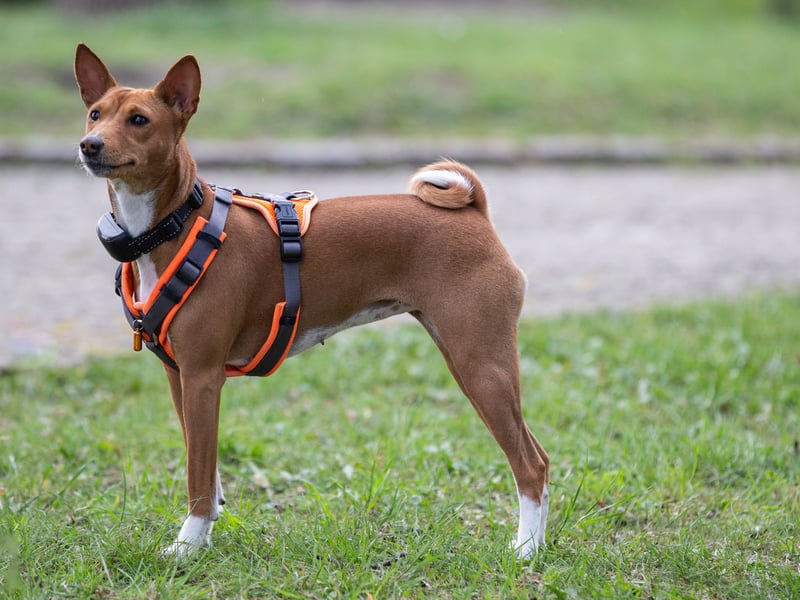
10. Basenji
Basenji A breed of Central African origin, the Basenji is famous for being a dog that doesn't bark - it makes a slightly odd yodelling noise instead. Bred to hunt prey, as long as they get enough exercise they have no real predisposition to developing any health problems. | Canva/Getty Images
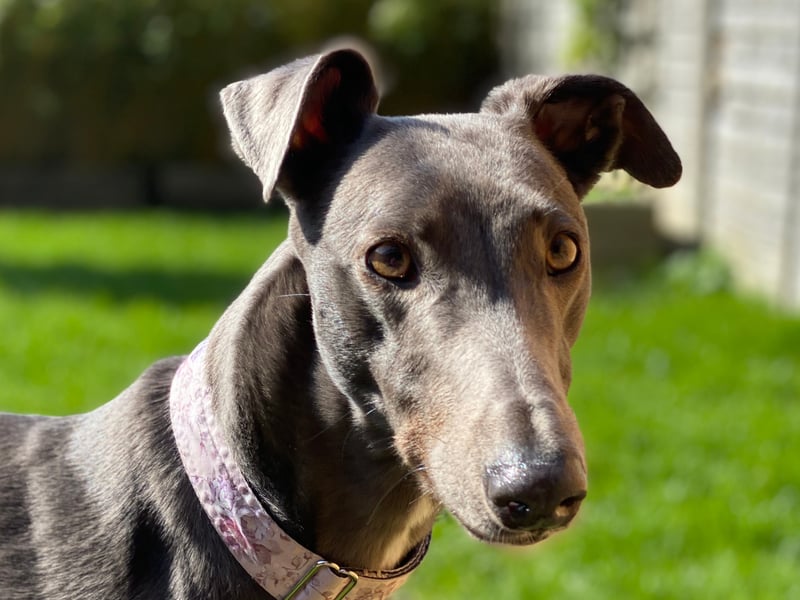
11. Greyhound
Fast, lazy and healthy are the three dominant traits of Greyhounds. The general rule is the larger the greyhound, the more likely they are to develop muskoskeletal conditions - so Italian Greyhounds are more likely to need a vet visit - but in general they stay in tip-top condition until they get old. | Canva/Getty Images

12. Siberian Husky
Given they've been bred to pull sleds over long distances in sub-zero conditions, it's perhaps not surprising that a Siberian Husky will tend to remain healthy as a family pet. While some individual animals will suffer from eye and hip issues, they are unusual early in life. | Canva/Getty Images