
I am a Scottish author who is descended from slave owners - here's why I support reparations
Sir Keir Starmer has insisted there had been no discussions about money at a major Commonwealth summit after the UK failed to keep language on reparations out of a joint statement signed by attending nations
The descendant of slave owners says there is a "necessary conversation" to be had over reparations from the UK, but claimed the topic had become a "culture war issue".
It comes as King Charles this week acknowledged "painful aspects" of Britain's past amid the creation of a ten-point plan drawn up by fifteen Caribbean governments.
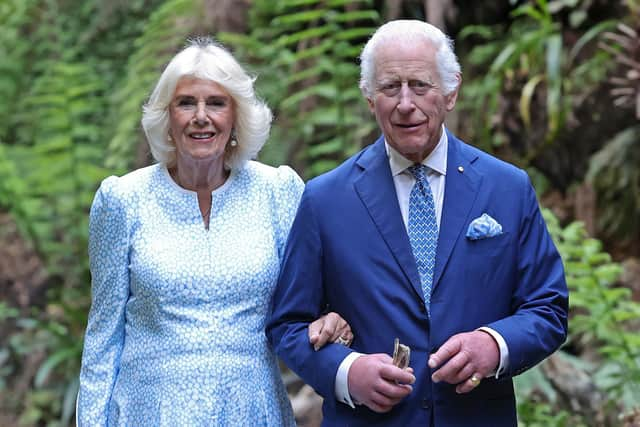

This includes a formal apology for slavery and a programme to help nations with their economies - though does not include a demand for direct payments.
Alex Renton, 63, a Scottish author and broadcaster, descends from a family who were paid roughly £3 million in today's money.
The Edinburgh writer, who co-founded the Heirs of Slavery campaign group, said: "I agree that there is a conversation that has never been had. Speaking as someone descended from those who enslaved people, I have to be led by what the descendants of the enslaved want."
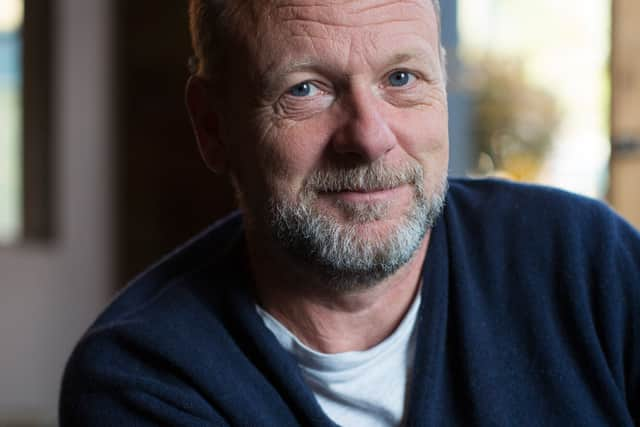
Mr Renton added: "The plan names many interesting ideas. It never said 'we want £300 trillion', despite what some have reported. The Netherlands has already accepted similar demands and given €200 million.
"The story has always been misleadingly portrayed as just about impossible amounts of money, when it's not about that, it's about having a discussion. The word reparation means far more than the mass transfer of money.
"It's a very ugly look for the former imperial power to tell Commonwealth countries what can and can't be talked about."
Mr Renton, who has published a book on his family's links to slavery called Blood Legacy: Reckoning with a Family's Story of Slavery, said reparations could affect positive change.
"Reparations work - they paid reparations to Jewish people after the Second World War and Britain paid reparations to Kenya four years ago to for its role in imprisoning Kenyans in concentration camps,” he said.
"It's an established practice, but has now sadly become a culture war issue."
Slavery was abolished in the UK in 1833 with the passage of the Slavery Abolition Act, which took effect across most of the British Empire on August 1, 1834.
To compensate slave owners for the loss of their "property", the British government allocated a vast sum of £20m - equivalent to roughly £17 billion today.
This compensation represented around 40 per cent of the British Treasury's annual income at the time and was financed through government bonds, which took over 180 years to fully pay off and were not completely repaid until 2015.
Mr Renton’s own family was one of 40,000 slave owners who were paid reparations by the British government. His ancestors enslaved 198 people on a plantation in Jamaica - and were paid £3,591 - about £3m in today's money.
"Keir Starmer talked about moving forward - that's right - but you have to properly get to an agreement and peace with the past to healthily move forward,” Mr Renton said.
"Reparations is about conversations between nation states about acknowledging the past and properly and addressing the effects of it."
Comments
Want to join the conversation? Please or to comment on this article.