
Best blended whiskies: is it worth buying blended whisky? The best brands



This article contains affiliate links. We may earn a small commission on items purchased through this article, but that does not affect our editorial judgement.
As more than a moment’s browsing will tell you, there’s a lot of snobbery around whisky, and blended whiskies can get a bit of a bad rap. They’re often seen as the illegitimate offspring of single malts, and a bargain basement option for whisky drinkers who “don’t really like whisky”.
Of course, the truth is much more interesting. There are plenty of compelling blended drams to scintillate the taste-buds - we're here to make a cause for a few of the best.
But, before we lean into all the options available to the savvy, would-be blended whisketeer, just what are the differences between the various types of whisky available?
What is the difference between a blended whisky and a single malt?
Let’s start with the singles. Single malt whisky is made at one distillery only using malted barley, whereas single grain whisky is made at one distillery and using grains other than malted barley.
Blended malt whisky, unsurprisingly, is made by combining single malt whiskies from various distilleries and blended grain whisky is the same, but with only grain whiskies.
So, finally, blended whisky is made by combining malt whisky and grain whisky. And one of the benefits of this approach is that suddenly you have a huge swathe of different whiskies to pick from to make your blend. You can chuck them all together pretty haphazardly or you can deliberately select complementary styles much in the way you would draw upon ingredients for a recipe. And just as you have celebrated chefs in the culinary world, so do you have master blenders who can create a symphony from all the variety whisky has to offer.
Blended whiskies have always been the best-selling variety of whisky in the world, and just about everyone will have come across international names like Johnnie Walker and Chivas Regal (American whiskies), not to mention some closer to home, such as Teachers and Famous Grouse.
Before single malt achieved its current lofty status, and each distillery began to market its own house style, every distillery would be contributing to one or even to several of the main blended whisky brands. In fact, most still do.
So, let’s walk a while in the company of some of the best blends the world has to offer.
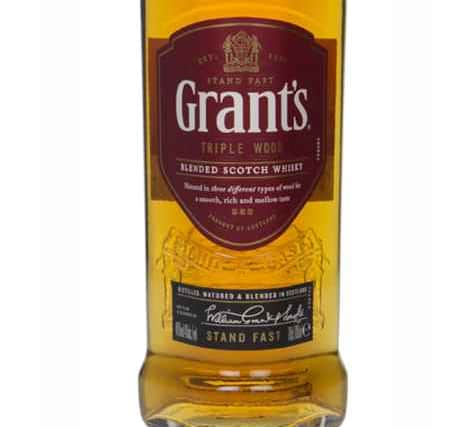
Best budget blend
So, you’re looking for a whisky that’s got class but won’t break the bank – we’ve got you covered. This offering from William Grant & Sons is so approachable as to be an instant friend and companion. As you may have already guessed, this blend features whiskies that have matured in three different types of barrel: refill American oak casks, first-fill ex-bourbon casks and virgin American oak casks.
These combine to create initial flavours of vanilla and caramel that broaden out into candied fruit, some gentle spice and a faint line of smoke. Just as happy to be drunk neat as it is to feature in a cocktail or with a mixer, this is undeniably a friend to all.
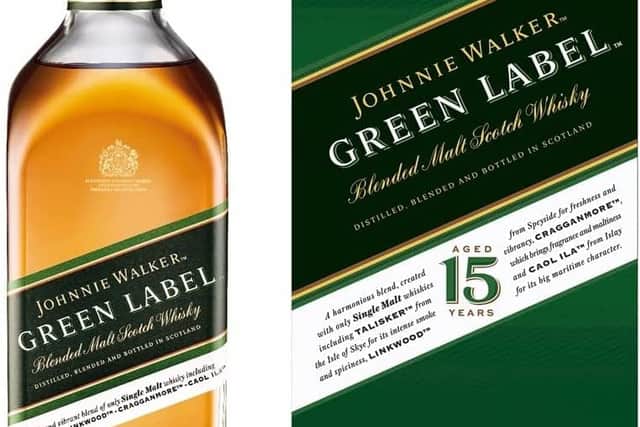
Best blend under £50
Johnnie Walker’s range, all colour coded, make a dedicated attempt to combine whiskies from all over Scotland in various permutations and price points and there is much discussion as to which is the best out of red, black, double black, blue and so on.
We think this one is just about spot on, coming in comfortably under the £50 mark, and bringing in elements from Skye, Islay and Speyside to conjure up a harmonious balance of honied sweetness and a rich fruitiness. If you’ve ever wanted to go on a tour of Scotland but without leaving your seat, this is the trip for you.
We caught coffee and vanilla biscuits alongside a subtle grassiness from the combination of Linkwood and Cragganmore, and then a long finish with just a little smoke and spice from Talisker and Caol Ila. A whirlwind tour.
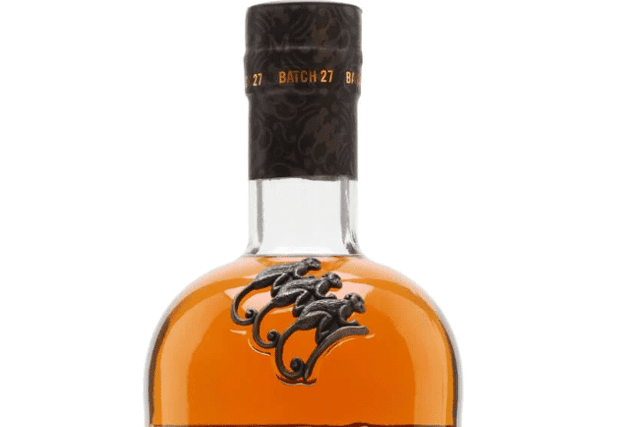
Best blend for cocktails
The best way to get a monkey off your shoulder is to chuck it in a cocktail, and that’s exactly what this Grants-owned blend suggest. They’ve brought together three malts from Speyside that add up to a gloriously easy drinking, unselfconscious mixture with vanilla and malt at the front (it put us in mind of hot buttered toast and homemade rice pudding) and then some spice and oak on the back end.
This whisky is perfectly happy to be served on the rocks, but we took their advice and tried a “Ginger Monkey”: Monkey Shoulder and ginger ale poured over ice with an orange wedge plonked on top. The whisky brought caramel and spice that married perfectly with the ginger and made an altogether very drinkable early evening livener. This monkey really is the business.
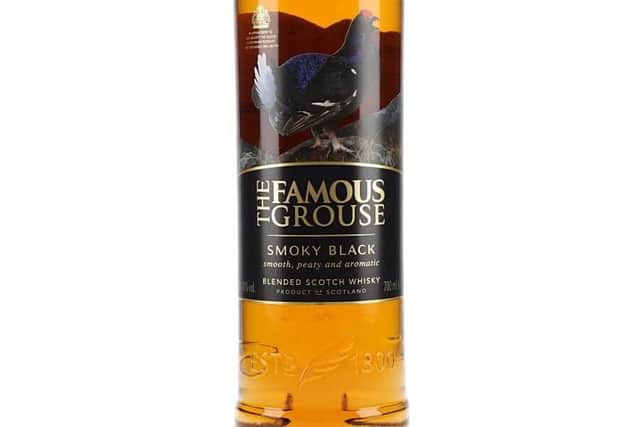
Best smoky blend
If you’re partial to a smokier, peatier whisky just about everyone will point you to the single malts from Islay, and while they are excellent, they do come with quite a hefty price tag. How to get that lovely blast of barbecue, bacon and bonfire without breaking the bank? Allow us to introduce you to The Famous Grouse Smoky Black.
As you might have guessed, this is from the same stable (nest?) as the O.G (Original Grouse) but the blend includes a little more charcoal and smoke in the flavour profile. It’s not an all-out peat monster, it’s a lot smoother and more refined, with a little star anise and cinnamon spice in amongst the sweet and the smoke, but there’s still a long, lingering peaty finish.
We added just a little water, which brought out a touch more sweetness, nicely balanced against the whiff of smoke. Justifiably famous in our book.
Best for sherry fans
Most Scotch whisky is matured in ex-bourbon barrels. This is at least partly due to the fact that the US has a huge surplus, as each generation of bourbon requires a brand new cask, so they might as well send them over the Atlantic when they’re finished with them, where they can be put to good use. It certainly doesn’t hurt that these casks imbue Scotch whisky with some of the core flavours that make up a delicious dram. In particular, they provide the base oak, caramel and vanilla flavours that distilleries can enhance or build upon in order to create their consistent house style. But why just stick to bourbon barrels when there are ex sherry, wine or even rum casks waiting to imbue your spirit with something a little different?
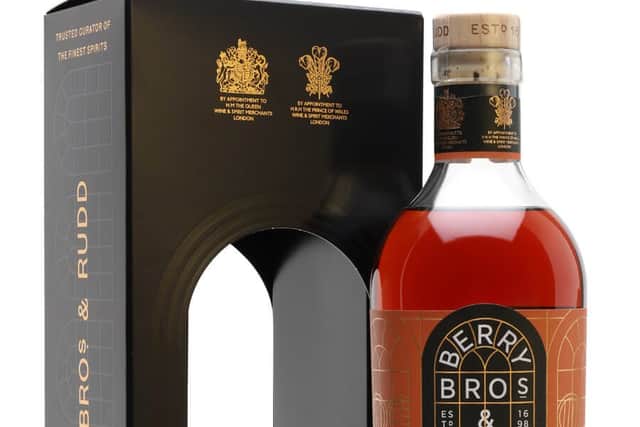
Berry Bros & Rudd certainly aren’t the first to try using sherry casks (not by a long chalk), but they certainly have produced one of the best expressions. It was apparent from the moment we opened the bottle and caught the rich aroma of Christmas pudding that something special was going on here, and so it proved to be.
There’s a spicy tingle on the tongue that remained even after we added a little water, and then a delicious, rich caramel and bread and butter pudding flavour followed by a smooth, sweet finish of leather, cloves and glacé cherries. A beautifully soft and smooth drop, and perfect for a nightcap.
Best for: a supermarket blend
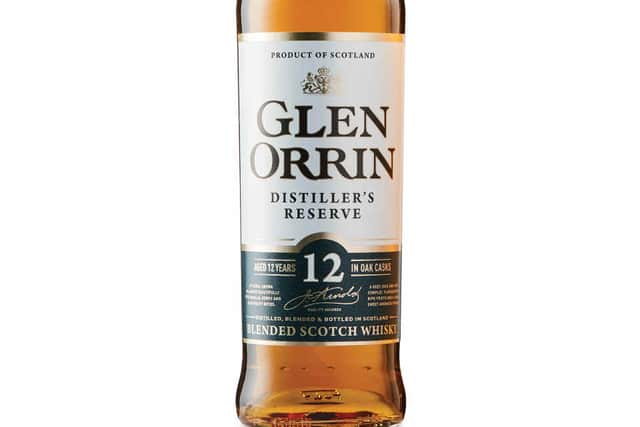
This whisky is a complex and rich dram that’s fruity and aromatic. It’ll stand up well in a cocktail, but is also very good neat or over ice. It's a smooth drink - no unwelcome harshness or fire - and a total bargain at the price.
On the nose there’s honey and on the palate you may find ripe stone fruits, more honey and vanilla.
Interested in all things whisky? Check out our round-ups of the best whiskies on the planet, from Speyside to Islay, Japan to Mexico, eye-wateringly expensive to under £50
Best whisky glasses: from crystal to tumblers, budget to Glencairn, from Amazon to ASDA9 of the best Scottish whiskies: our favourite Scotch brandsBest Islay whisky: from Ardbeg to Laphroaig, the Islay whiskies you need to tryBest rye whiskey: ideal rye for a Sazerac, Manhattan, or simply neatBest peated whisky: from Speyside to Islay, the peaty whiskies to please8 of the best single malt whiskiesBest expensive whiskies worth the price tag: Macallan, Glengoyne, Tobermory, GlenfiddichBest supermarket whiskies: best whisky buys from Lidl, Aldi, Morrisons and TescosBest world whiskies: from cheap to expensive, the world whisky brands you have to tryBest Irish whiskey: from cheap to expensive, single malt, blends, and smokyBest Speyside whiskies: from single malt to blended, M&S to GlenfiddichBest English whiskies: the English whisky brands worth buyingBest whiskies under £50: cheap whisky that tastes expensive
This article contains affiliate links. We may earn a commission on items purchased through this article, but this does not affect our editorial judgement