
Methil’s shipyard revival powered by a new era of defence
UK-Spain defence cooperation at a time of rapidly deteriorating geopolitics is boosting Scotland’s reindustrialisation



I was last at the Methil fabrication yard on the Fife coast on a cold February morning in 2025, for a ceremony marking its acquisition by Spanish defence and shipbuilding group Navantia.
It was a moment of relief, yet also of apprehension. Relief, because the yard’s future had been in doubt after its offshore work had all but dried up. Its owner, Harland & Wolff, had just been rescued from administration.
The place was empty save for a few apprentice welders finishing the one job that had kept the yard afloat until it was snapped up in a UK government-brokered acquisition of the Belfast-based shipbuilder famous for building the Titanic.
That saw Navantia scoop up not only Methil but also the Arnish offshore wind fabrication facility on the Isle of Lewis, a shipbuilding port at Appledore in Devon, and the Belfast shipyard.
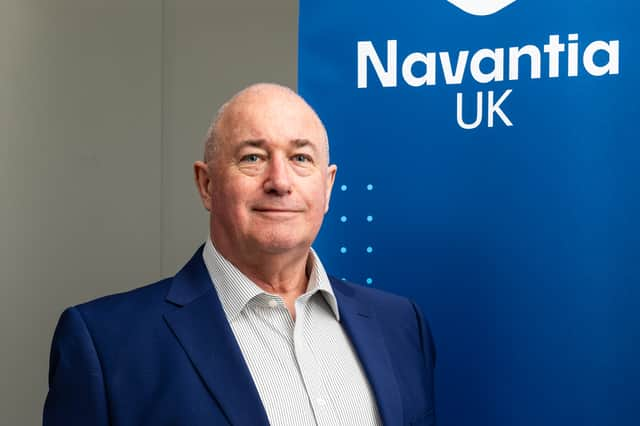
Apprehension stemmed from whether Methil would win work under new ownership – perhaps fabrication of the steel foundations and jackets needed for the build-out of floating offshore wind in Scotland. In a speech at the ceremony, first minister John Swinney spoke of a “new story, of a green industrial future […] being written here” amid “a green reindustrialisation of Scotland”.
Some 20 months later the narrative at Methil is very different. Now, the hoped-for reindustrialisation now looks more likely to be driven by the urgent needs of UK defence than by renewables.
Partly, this is down to slow progress on the floating offshore wind technology central to the ScotWind leasing round. It’s an unfortunate echo of Methil’s history: the yard has changed hands more than once since a failed spell fabricating steel for offshore wind under BiFab some years ago.
The new driver for Methil now looks set to come from work to bolster the UK’s defence capabilities, especially in the so-called “northern cone” around Scotland amid growing grey-zone and hybrid threats from Russia.
This week, the House of Commons Defence Committee warned of “glaring gaps” in the availability of current maritime forces “to deter and, if necessary, defeat any aggression in the High North from 2030”. This was a reference to an area encompassing the Greater Arctic and parts of the North Atlantic, home to much of Russia’s strategic nuclear, naval and undersea sabotage capabilities.
The report pointed to a shortage of Royal Navy warships and submarines, leaving the UK’s critical infrastructure in the High North, including undersea cables and energy supplies, exposed.
This context explains why a new anti-submarine frigate, the Type 26, is being built in numbers by BAE Systems on the Clyde, driving a revival in Glasgow shipbuilding that I wrote about last year. The work is part of the biggest increase in UK defence spending since the Cold War, much of it laid out in the Defence Investment Plan (DIP), published in July.
“This highlights how geopolitically salient Scotland is,” says Marc De Vore, senior lecturer in international relations at St Andrews University. “In turn it’s producing pressure for defence and infrastructure related investments here that will ultimately boost Scotland’s reindustrialisation.”
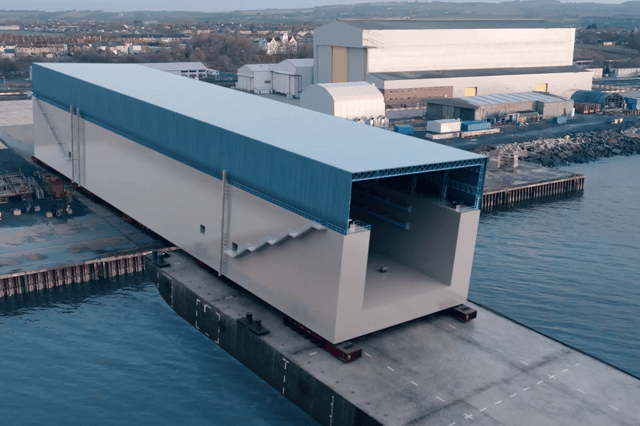
Steve Chisholm, Methil’s general manager, says on a tour of the yard that its future lies in winning work from a key element of the DIP: a £6 billion investment known as “Programme Euston”.
This calls for the delivery by 2033 of three 18,000-tonne “floating docks” to ensure the Royal Navy has a maintenance capability for dry-docking a new fleet of submarines being built for HM Naval Base Clyde at Faslane, the navy’s main presence in Scotland.
“By focusing on making Methil a well-respected complex fabricator in the UK defence sector, we can chase projects like Programme Euston that can give continuity and sustainability and work well into the 2030s, putting us on a sustainable future,” says Chisholm, who joined Navantia UK in May after years in senior roles in offshore renewables and nuclear with Global Energy Group.
The Spanish company, which builds anti-submarine frigates for Spain’s navy at Ferrol on the Galician coast, has so far invested £27.6 million in upgrading Methil. This includes a new building for its workforce, which has grown to 275 from 180 when Navantia acquired the site.
Apprentices have been sourced locally from Fife College, while the GMB and Unite unions have helped with recruitment. “Methil’s become better known and word’s got out. We’re now seeing people in engineering and management positions leaving the likes of BAE and Babcock and coming to us,” Chisholm says.
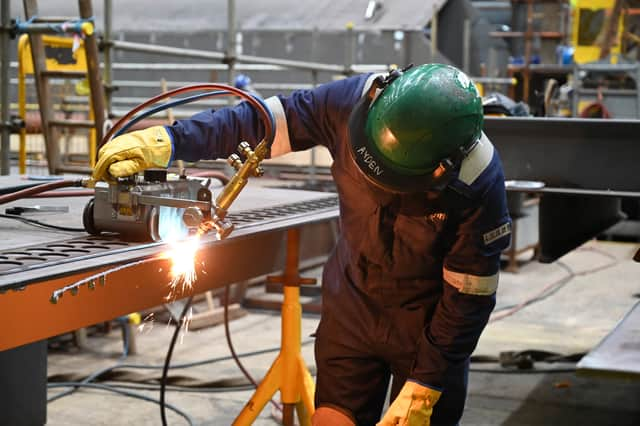
A plasma beam cutting machine from German manufacturer Messer has also been installed. This cuts metal into plates according to vessel assembly templates created by Navantia’s designers at Ferrol and sent in digital files across to welders at Methil – a good example of synergies between the defence industrial capabilities of NATO allies.
“What we’re doing here is building capacity, building numbers, building track record and experience to be able to bring that [Programme Euston] project here, which would be a once-in-a-lifetime opportunity for Fife,” he adds.
In May, Methil delivered a barge built at the site to transport sections of vessels being built between Appledore and Belfast under the MoD’s “Fleet Solid Support” programme.
Chisholm explains that the plates now being welded and fitted are for a different vessel commissioned by an overseas customer. Navantia UK this month won a contract for a second such vessel and is recruiting 60 more workers - welders, platers, riggers and painters - to carry out the work.
Methil’s future would appear to hinge on winning Programme Euston, which chancellor John Healey has specified be a UK-only competition. Judging from what has happened since Navantia took over, the yard looks far better placed to win the competition than on that cold February morning.
Comments
Want to join the conversation? Please or to comment on this article.