
Growing confidence in Scots’ sports tech industry
Ross Tuffee of SportsTech Scotland says the country is well positioned to tap into the sector’s growth
Scotland is passionate about sport and has a strong foundation in data.

Ross Tuffee believes that the two coming together could help Scotland tap into a growing global market for sports technology.
He is a former Diageo executive who co-founded Dogfish Mobile in 2009 and sold it, before co-authoring the Entrepreneurial Campus Blueprint.
Now Entrepreneur in Residence at the University of Stirling, he owns the MotionLabs Accelerator, co-founded the SportsTech Scotland founder community and co-leads SEITA, a university alliance helping founders, access expertise test and validate sports and wellbeing technology across Scotland.
Sports tech covers the hardware, software and data used in and around sport, from wearables that track athletes and apps that coach them, to ticketing, fan engagement and stadium systems.
Analysts value the global market at $23bn to $34bn and expect it to at least double by the early 2030s.
Sports tech’s value and impact are far greater, however, with sport acting as a launchpad for scaling technologies in health and wellbeing, consumer engagement, security and facilities management.
Ross said: “What is Scotland’s unfair advantage? The answer is data.”
Two decades of investment in data science, supercomputing and cyber security, plus a national health identifier unique in the UK, could make Scotland the place where sports and wellbeing data is collected, secured, drives social impact and is put to commercial use.
MotionLab Ventures is running an accelerator for 15 sports tech startups with 21 founders.
It is funded by a £40,000 Scottish Government ecosystem fund contract, with delivery support from The Challenges Group and mentoring from Barclays Eagle Labs.
SportsTech Scotland is a founder community of around 40 businesses.
SEITA is a cross-university alliance backed by £20,000 of public money.
It is building a “switchboard” to point founders towards the testing facilities, teams, expertise and elite programmes they need.
Founders kept telling him that their biggest problem is proving that a product works, and that the customers they need are mostly in the US and Asia.
“What we want to do is make it stupidly simple for sports tech builders to access a testing regime and connect with investors and customers,” Ross said.
Sports tech companies are already here. FanDuel, founded in Edinburgh, was valued at $31bn last year.
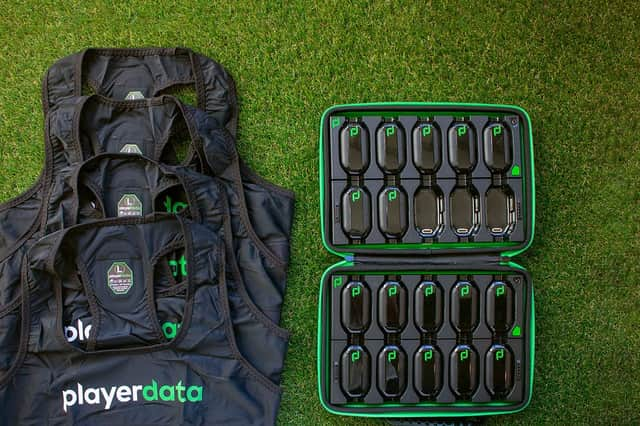
PlayerData raised $12m in May and has opened its US headquarters in Boston.
Raven Controls manages incidents at MLS stadiums and UEFA tournaments.
Ross admits the Commonwealth Games was a missed opportunity.
“We welcomed the world, we didn’t say, by the way, look at what we are doing with sports data and technology.
The Tour de France Grand Départ, Euro 2028 and a likely Women’s World Cup in 2035 are the next chances.
In five years he expects 100 to 150 recognised sports tech businesses, and perhaps two that grow to FanDuel’s scale while staying in Scotland.
“My ambition is that in the next nine years, by 2035, Scotland will host the world’s leading sports and wellbeing data set.”
Comments
Want to join the conversation? Please or to comment on this article.