
Education must deliver what AI simply cannot
Valuable soft skills such as collaboration, adaptability and emotional intelligence can’t be taught by a machine, writes Rona Leese
The Government’s latest curriculum reforms place a renewed emphasis on creativity, critical thinking and real-world skills, a welcome recognition that education must evolve to meet the needs of a changing world. At Strathallan Prep School, these are principles we’ve already been putting into practice for several years, with results that show just how powerful this approach can be.
Education must go beyond memorising facts and chasing grades. It should build resilient, curious, and capable people who can thrive in an unpredictable world. In an age where AI delivers instant answers, memorising matters less than understanding, and knowledge only becomes powerful when pupils know how to apply it.
Employers increasingly recognise this. A recent Nesta study found that around three quarters of businesses now prioritise soft skills such as collaboration, adaptability and emotional intelligence over technical expertise. In other words, the qualities AI can’t replicate are the ones that matter most.
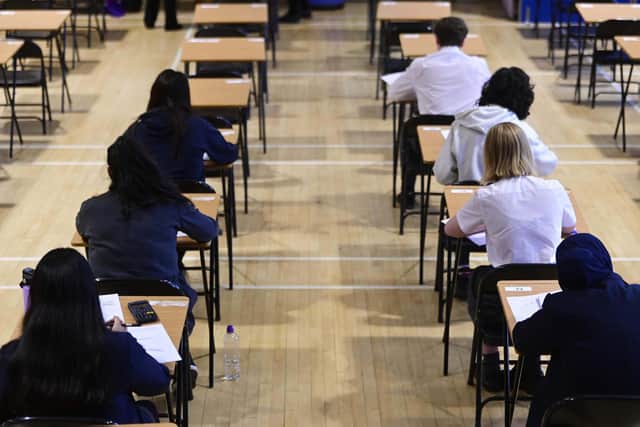

Other countries have long recognised this. Finland, for example, continues to lead global education rankings by focusing on pupils’ broader development, nurturing critical thinkers and problem-solvers rather than exam-takers.
That forward-thinking approach has been part of Strathallan’s story since its very beginning. Founded in 1913 by Harry Riley, who was in his early twenties when he set up the school, he believed that “education should be enjoyed and not a drudgery”. His vision – to help every child discover their hidden potential and take joy in learning – was remarkably progressive for its time and continues to shape Strathallan’s ethos today.
Building on that legacy, Strathallan continues to lead this shift in Scotland through the introduction of its Pre-Senior Baccalaureate (PSB) and Life Skills programmes. These initiatives place as much emphasis on curiosity, collaboration and character as they do on academic attainment. Pupils learn to work together, think creatively and communicate with confidence, whether they’re debating current affairs, coding robots, presenting at COP, or simply learning to disagree respectfully in class.
We are already seeing the results. Pupils who once lacked confidence are discovering their inner grit. One pupil I think of often shut down whenever work became difficult. Today, she approaches challenges with determination because she has learned that progress often begins where comfort ends.
The growing policy focus on skills such as creativity, collaboration and critical thinking reflects what schools like ours have long known: that these are the abilities which truly prepare pupils not just for exams, but for life.
As educators, we now have a collective opportunity to build on this momentum to ensure that every child leaves school not only with strong grades but also with the resilience, empathy and curiosity to navigate an AI-driven, fast-changing future.
It’s encouraging to see the national conversation catching up with what we’ve already found to be true: when education focuses on developing the whole child – mind, character and confidence – the results speak for themselves.
Rona Leese, SPS Assistant Head at Strathallan School
Comments
Want to join the conversation? Please or to comment on this article.