
Don’t call time on the high street bank yet
Krishnapriya Banerjee says footfall doesn’t tell the full story when it comes to how much customers value a physical presence
Like many people, I couldn’t tell you the last time I visited my bank branch. It turns out I have a lot of company. Of the 2,000 UK consumers Accenture recently surveyed, 70 per cent visit a branch once a year or less, including 29 per cent who never do.
But that is not everyone’s experience. For some customers, being able to walk into a branch and speak to someone remains essential.
Our reliance on branches may look very different, but the value we place on having them there is more widely shared than footfall might suggest. In the same survey, 69 per cent said having local branches helps show their bank is established and trustworthy. More than half said removing them would affect their trust in their bank.


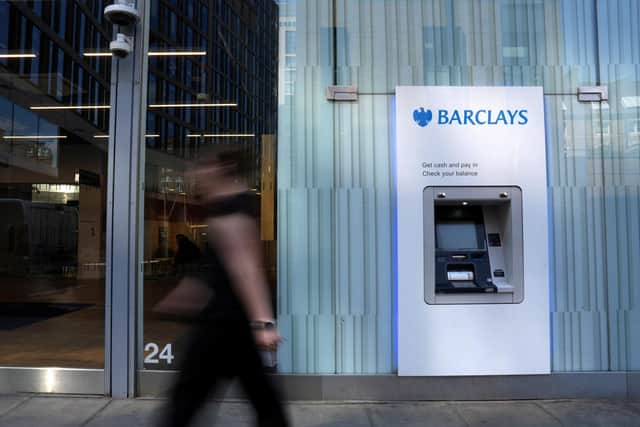
There is a psychology to physical presence that we shouldn’t underestimate. A branch is something tangible. You might walk past your local branch hundreds of times without going inside, but the name above the door is a visible reminder that your bank is there if something goes wrong. It signals stability that an app alone struggles to replicate.
As our habits change and the branch network changes with them, banks need to think carefully about what risks being lost. The Government’s Access to Banking Services Review is examining how changing access to in-person banking is affecting consumers, particularly those who are vulnerable. Ensuring people who depend on face-to-face banking can continue to access it must come first. But, protecting access and reimagining the branch are not competing ambitions. If people who rarely visit still draw trust and reassurance from having a branch nearby, there is a broader opportunity for banks to make that physical presence valuable to more customers.
The answer is unlikely to be persuading customers back into branches to do things they can complete more quickly on their phones. Instead, banks need to focus on the moments when human interaction matters most. Money remains emotional even when banking is digital. Moving £20 between accounts is one thing. Receiving an inheritance, planning for retirement or making a big investment decision is quite another.
Banks are already responding to that distinction. As everyday transactions move online, they are experimenting with what their physical presence can offer instead. We’ve seen new spaces built around financial advice and planning, as well as community hubs for co-working or local connection.
There is ample opportunity. Banks ranked higher than any other source when our survey asked where someone would turn if they received a large investable sum, an enviable starting point for those looking to play a more advisory role in their customers’ lives.
Finding the right purpose, however, may be harder than redesigning the branch itself. What customers need from a flagship branch in central Edinburgh or Glasgow will differ from a smaller town or rural community. Banks will need to understand not just how customers use a location today, but what is missing from that community and where a physical presence can add value to people’s lives.
After years in which technology seemed destined to spell the end of the branch, something more interesting may now be happening. Whilst the branch may not return to its old role, banks now have an opportunity to preserve what matters about physical banking while finding new reasons for more of us to walk through the door.
Krishnapriya Banerjee, Financial Services Lead for Accenture Song in the UK & Ireland
Comments
Want to join the conversation? Please or to comment on this article.