
Scottish pensioner gets world-first energy system harnessing F1 and AI technology to cut bills
The energy system could cut electricity bills by up to 85 per cent by using AI and Formula One technology.

The first domestic energy storage system in the world that uses Formula One engineering and could save up to 85 per cent on energy bills has been installed in a pensioner’s home in Scotland.
Galashiels resident Muriel Allison is the first, globally, to use the novel battery chemistry technology in a home.
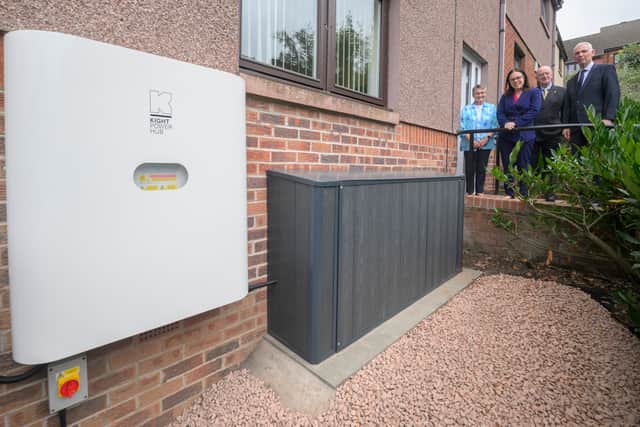

The Kight PowerHub system has been designed to cut electricity bills by an average of 75 per cent, with a potential saving of up to 85 per cent. The technology aims to tackle fuel poverty and support a smarter use of renewable energy.
The system draws on advanced research and Formula One engineering, featuring a battery chemistry never used before in domestic settings. The Kight PowerHub’s integrated AI platform is intended to learn from household energy usage and grid signals to optimise savings, eliminating the need for residents to navigate complex tariffs.
The PowerHub is the result of five years of research and development, including three years of collaboration between economic development agency South of Scotland Enterprise (SOSE) and Kight PowerHub. Both have also worked alongside five of the South of Scotland’s registered social landlords to ensure the technology can meet real housing needs.
Ms Allison, a tenant of Scottish Borders Housing Association, is the first of 11 residents to see systems being deployed across the south of Scotland.
She said it was “amazing to be the first”, adding: “I never imagined something like this would be in my home and I hope it helps others like me into the future.”
Deputy First Minister Kate Forbes, who attended the installation, said: “Innovation is one of this country’s greatest strengths, with new technologies not only opening up further opportunities for economic growth, but acting as powerful tools to tackle real life challenges in Scotland and beyond.
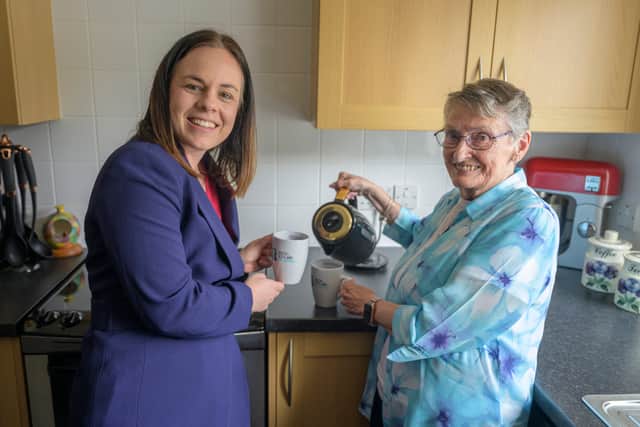
“High energy costs remain a concern for many thousands of households and the Powerhub project promises huge potential at offering a cutting-edge solution. It is great to see a world-first innovation being developed in the South of Scotland – and Muriel and other south of Scotland residents being the very first to benefit from the pilot.”
Chairman of South of Scotland Enterprise, Russel Griggs, said: “This project shows the power of bold partnerships to deliver real impact.
“By working with Kight and our region’s registered social landlords, we’ve brought a world-first battery chemistry technology to life - right here in the south of Scotland. Muriel has played a vital role in this milestone and we thank her for helping lead the way and becoming a pioneer.
“Together, we’re paving a new path to tackle fuel poverty, support residents to save money, and build a healthier, more inclusive economy.”
Founder of Kight PowerHubs, Lawrence Fagg, said: “Muriel’s story is a powerful example of how technology can improve lives.
“We’re proud to start here in Galashiels, and even prouder to know this system could potentially help thousands more pensioners and families across Scotland. Utilising the power of AI via EnergiFlow will ensure PowerHubs households save costs, reduce carbon emissions, support the grid, and help save the planet.
“The AI control means we can minimise electricity bills and environmental impact, without residents needing to understand the complexities of time dependent or dynamic energy tariffs. We do that for them.”
Comments
Want to join the conversation? Please or to comment on this article.