
Collabs… what’s in it for them?
After recent Swatch excitement, Steph Innes on the evolving approach to the uncertain market of luxury collaborations
The recent Royal Pop collaboration between Swatch and Audemars Piguet was hard to miss, between long queues of hopeful buyers on high streets and the social media frenzy around the pocket watch format. The collaboration is also notable due to what it says about the direction of travel in the luxury sector.
Traditionally, luxury brands relied on IP strategies centred on trade mark protection, monitoring and enforcement, as well as careful licensing and distribution to protect goodwill, distinctiveness and brand value.
The typical challenge has been how to drive sales revenues while maintaining exclusivity – luxury brands cannot simply increase volumes, diversify channels or reduce material costs without creating other issues. Even-increasing prices can be unwelcome, as consumers will only tolerate so much. So how can a luxury brand drive revenues in other ways?
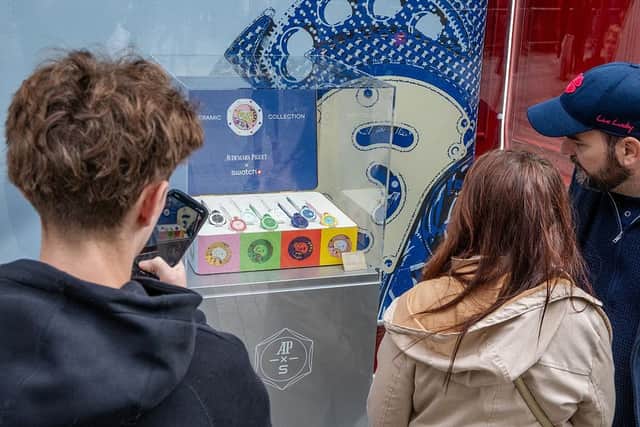

Collaborations allow brands to create cultural relevance, though the visibility that makes them attractive brings legal and reputational challenges – counterfeiting, “dupe products” and grey-market activity.
Other economic pressures apply. Price pressures remain, while younger consumers are more willing to buy, or borrow, pre-owned luxury. Geopolitical instability, supply chain volatility, VAT changes and slowing demand have also added pressure.
Against that backdrop, collaborations offer luxury brands an attractive option. They generate publicity, and if managed carefully, can avoid undermining the exclusivity of core lines.
Audemars Piguet has said proceeds from Royal Pop will be used to support traditional watchmaking and talent development – so sales revenues are not the driver. There can also be a brand-control element – an authorised collaboration allows interest to be met through a product with clear provenance, within the brand's control.
Collaborations typically involve different elements – channel separation and variance of product formats and materials. This allows the collaboration product a distinct identity from core lines.
The legal significance of collaborations lies in part in IP protection, but importantly also in how the parties use, control and monetise brand value. These deals are broad IP transactions involving carefully negotiated controls for each party.
Traditionally IP rights were primarily considered defensive tools: mechanisms for preventing imitation and brand dilution. Now though, they are recognised as high value assets driving revenue.
Collaboration structures are likely to involve traditional IP licensing, commercial provisions on brand protection, treatment of new IP and quality control, as well as practical provisions on producing, marketing and supplying the collaboration product. Deal documents also cover revenue sharing, although in this sector controls on quality, volume and presentation can often take priority over minimum royalties and sales targets.
Luxury collaborations highlight sector-specific issues that drive these deals. For lawyers, standard questions apply – what is licensed vs retained, what is newly created and how is value shared? But importantly, focus is likely to be on brand protection and enhancement, and distinguishing the collaboration product from core lines.
This creates an interesting tension. Traditional enforcement strategies rely on exclusivity, rarity and prestige. Yet modern marketing increasingly depends on mass visibility and digital participation. The more recognisable a luxury brand becomes, the more difficult it may become to maintain strict control over how that identity is referenced, imitated or reinterpreted in the market.
This article was co-written by Steph Innes, Partner, and Rebecca Byrne, Associate in the Technology, Media and Telecoms Practice at Dentons