
Budget 2026: Scottish tourism bosses slam Healey for failing to address two of the biggest pressures

“We already know that people want to come to Scotland. The opportunity now is to capitalise on that demand.” – Marc Crothall, STA
John Healey has been rounded on for failing to address two of the biggest pressures facing Scotland’s tourism and hospitality sector.
Industry leaders warned that rising employment costs and taxation continue to limit businesses’ ability to “invest, create jobs and grow”.
Ahead of his Autumn Budget, the Scottish Tourism Alliance (STA) had called on the Chancellor to cut hospitality VAT to 10 per cent and revisit the increase in employers’ national insurance contributions, alongside measures to support international tourism, investment and growth.
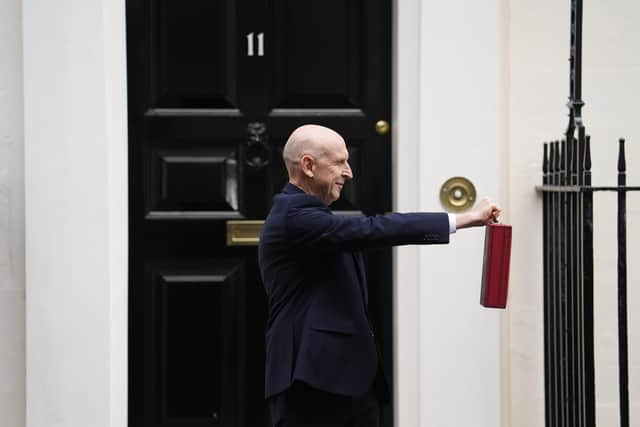

The industry body welcomed measures to ease fuel costs and support household spending announced in the Budget but warned that the increase in the national living wage would place even greater pressure on tourism and hospitality businesses.
Marc Crothall, chief executive of the STA, said: “We recognise the difficult decisions facing the Chancellor, but it is disappointing that the Budget has not gone further in addressing the pressures facing our tourism and hospitality businesses.
“We have been very clear in our ask to the UK government to lower VAT for our sector to 10 per cent and look again at employer national insurance. Both would make a real difference to businesses, allowing them to employ people, invest in their product and continue to grow.
“We already know that people want to come to Scotland. The opportunity now is to capitalise on that demand, but to do that we have to stay competitive on price and keep investing in the quality of experience people expect when they get here.”

He said that with additional business rates relief announced for hospitality and leisure businesses in England, businesses in Scotland will be looking to the Scottish government to “go further” on current business rates relief and ensure no further rises in its own budget on December 3.
Business leaders called on the Scottish government to use the extra £600 million it will receive as a result of the UK Budget to “cut the cost of doing business”.
Representative group the Federation of Small Businesses (FSB) in Scotland said the current clamour from firms hit by business rates and other cost hikes must be heeded and local businesses given some breathing space.
FSB Scotland chair Guy Hinks said: “Small businesses’ overheads have been soaring for years, with 83 per cent in Scotland noticing a hike in the last quarter alone. Nearly four in ten report these increases are in double digits.
“It’s therefore essential that this extra funding is used to cut the cost of doing business in Scotland. This puts all eyes on the Scottish government budget in December.”
The Chancellor was also criticised for choosing “short-term popularity over long-term economic priorities” after hiking levies on the banking sector, though not as far as some had feared.
Bank taxes are set to rise after the Chancellor said he was asking “a bit more” from the big high street lenders to help fund support on energy bills.
Banks will pay an extra 3 per cent on the corporation tax surcharge, Healey announced in his Budget statement. This will bring the surcharge from the current 3 per cent level to 6 per cent. It is a smaller change than the hike to 8 per cent that some reports had suggested he was considering, and which would have reversed the tax cut brought in by the former Conservative government.
The measure will also be temporary rather than permanent, kicking in from January and ending 15 months later. This helped deliver a boost to banking stocks immediately following the announcement, with shares in Bank of Scotland owner Lloyds Banking Group, RBS parent NatWest Group and Barclays all up by around 3 per cent.
Sandy Begbie, chief executive of industry body Scottish Financial Enterprise, said: “Raising levies on the banking sector is politically expedient, but the truth is increasing taxes on a sector that plays such a key role in driving growth is symptomatic of a desire to prioritise short-term popularity over long-term economic priorities.
“It sends the wrong message to investors and risks giving the impression that when a business or sector becomes too successful, it automatically becomes a target for the treasury. While the time limitation on the increase is a welcome ambition, governments tend to find it harder to wean themselves off such revenue streams once they are introduced and the government should set out a clear path to equalising bank tax to that of other businesses.
“As the Scottish government approaches its own budget in the coming weeks, it is now more essential than ever that it resists the temptation to go down a similar path,” he added.
Gail Boag, chief executive of the Institute of Chartered Accountants of Scotland (Icas), said long-term tax certainty and simplification were needed to grow trust in the economy.
“Rather than continuing with piecemeal changes, the government must commit to fundamental structural reform of the tax system to strengthen the UK’s economic resilience and help businesses weather global economic storms,” she said. “That means moving beyond short-term fixes to establish a simpler, more coherent framework that reduces complexity, provides long-term certainty and confidence to invest, innovate and create jobs.
“Businesses can’t invest with confidence when the tax system is a moving target and Icas should not have to make the case for a simpler, more predictable tax system at every Budget.”
Adam Drummond, Glasgow office head at wealth manager Rathbones, branded the Budget a “damp squib”.
Comments
Want to join the conversation? Please or to comment on this article.