
As FCA consultation closes, data shows Scots lead UK in understanding digital currencies but remain wary of the digital pound
New research reveals that while Scots lead the UK in understanding digital currencies, many remain unaware of an even bigger shift: the UK’s move toward a state-backed digital pound.
With the Financial Conduct Authority’s (FCA) consultation on stablecoins and crypto custody closing on 31 July, the clock is ticking for Scots to help shape how Central Bank Digital Currencies (CBDCs), the government’s proposed digital pound, might affect everyday life. Yet many remain hesitant to engage with digital currencies, including the digital pound itself.
New data from payments innovator Aevi suggests a distinctly Scottish approach to digital currencies: while other regions show typical patterns of adoption or ignorance, Scotland demonstrates something different: a sophisticated understanding combined with deliberate caution.
A Closer Look at the Findings
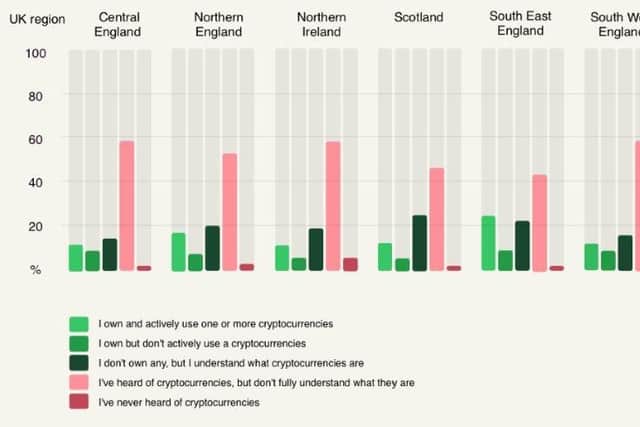

Scotland leads the UK in informed skepticism: 25% understand how crypto works but choose not to invest - the highest rate of deliberate non-participation in the country. Just 13% use crypto, despite higher-than-average knowledge.
Regulation is the key sticking point. More than half (55%) cite unclear rules as their main concern, and 53% fear losing access to funds - again, the highest rates in the UK.
Still, Scots aren’t dismissing crypto outright. Only 45% say “nothing” would make crypto appealing, suggesting many are open - if protections improve. For 30%, better fraud prevention would be a turning point.
Central Bank Digital Currencies (CBDCs) remain largely unfamiliar to most Scots. More than half (55%) have yet to hear about the shift toward digital currency - highlighting concerns over who is being kept informed, who has access, and who risks being left behind as the UK develops its digital financial landscape.

The Digital Divide Risk for Scotland
The Bank of England and HM Treasury are exploring the rollout of a state-backed digital pound, while the FCA advances regulation for crypto custody, stablecoins, and broader digital asset oversight.
Scotland's pattern of understanding without adoption suggests the nation won't be left behind by digital transformation - but regulatory concerns must be addressed to unlock wider participation.
As noted by Aevi’s experts in their latest piece: “Digital money is no longer just a tech niche - it’s becoming a mainstream part of everyday payments. But if the rules are written before the public even knows what’s coming, we risk locking people out of the system.”
This UK research follows Aevi's recent US survey, released after the Trump-backed GENIUS Act reignited the digital dollar debate. That report drew widespread coverage across America, finding similar awareness gaps.
What the FCA's 31 July Deadline Means for Scotland
The FCA is currently consulting through CP25/14 and CP25/15 on how to regulate stablecoins and crypto custody - key elements for a future digital pound. Scotland’s views, shaped by a strong understanding and real concerns about regulation, could be crucial in developing rules that protect consumers.
The consultation will influence final regulations expected later this year, with the new rules set to take effect in 2026. Scotland’s unique mix of high awareness but low crypto use, alongside a strong focus on regulation, means its feedback is particularly valuable.
But with 55% of Scots unaware of Central Bank Digital Currencies (CBDCs), many may miss the chance to have a say in how digital money will work in their daily lives.