
Album reviews: U2 | 20th Century Paddy | Radie Peat
Dolly Parton steals the show at U2‘s 50th birthday party with her last recorded vocal, writes Fiona Shepherd
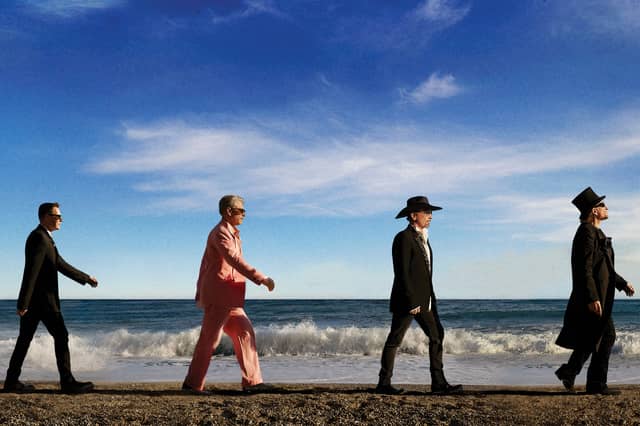

U2: Carnaval de Luz (Island) ★★★
Various: 20th Century Paddy - The Songs of Shane MacGowan (Rubyworks) ★★★
Radie Peat: No Human Tongue Can Tell (Rough Trade Records) ★★★★
If a band can’t celebrate at 50, when can they? U2 have marked their half century with a prolific year of new music. Two EPs, Days of Ash and Easter Lily, attested to the continuing fire in their belly and now they keep up the religious holiday theme with the big fiesta. Carnaval de Luz is their first album in nine years, recorded “all over the place” with longtime wingman Jacknife Lee.
Like all good parties, there are some hands-in-the-air-like-you-just-don’t-care moments (Superficiality) as well as some interludes of personal nostalgia (If The World Is At War We Better Not Be, with its origins story recollection “I was standing in the schoolyard, waiting for you to happen to me”). The band have taken inspiration from global carnivals they have known, particularly the Latin American tradition of turning spirituality into a party, but have also stayed true to their own roots. In many ways, the lyrical concerns - faith, family, conflict, social responsibility - have not changed much in 50 years. Perhaps the world has not changed as much as they would have liked.
Their sound is so ingrained that it is hard to avoid a touch of U2-by-numbers along the way, although the opening number Go, co-written with Brian Eno, declares “the past and me have got to break up” and is one of the more atypical tracks. The other bookend (we’ll get to that) is another curveball co-write. Meanwhile, the sandwich filling includes the revving chords and power drumming of La Reina, inspired by a dancing child at Mardi Gras, and a tribute to Latin superstar Rosalía, The Mirror Maker, which summons the saints to the party and actually nods more towards Madonna.
There is quiet resolve on Can’t Stop Us Now and a far-from-silent Silencio, a beacon to the next generation of activists on Midnight Sunshine and a couple of numbers which sound like they have already passed the bland baton to Coldplay.
But it wouldn’t be a party without tears before bedtime. Step up Dolly Parton who gifted the partially written Torn to the band, saying “you can take it anywhere you like and I might like it there too”. In her last recorded vocal, the true Carnaval Queen sounds heartbroken about divided families, and steals the show in the process.
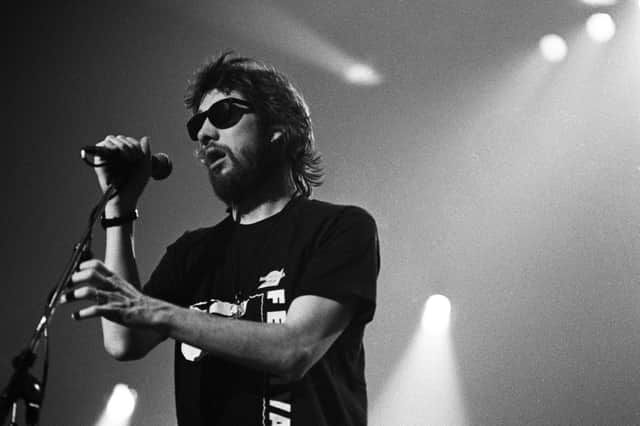
U2 also crop up on 20th Century Paddy - The Songs of Shane MacGowan, whooping it up in tribute to yer man alongside plenty of fellow and honorary Celts, from the new breed (Amble, Madra Salach) to ferocious divas Lisa O’Neill and Camille O’Sullivan. Bruce Springsteen amps up the trumpet and strings on A Rainy Night In Soho, The Libertines rock the London Irish connection on Sayonara, Steve Earle and Tom Waits out-gruff each other and some bunch called The Pogues punk it up.
Primal Scream return to their Byrds-y jangle roots for a version of A Pair Of Brown Eyes and the Jesus & Mary Chain channel the Velvet Underground for their take on I’ll Be Your Handbag. But in general everyone is far too respectful, with Hozier and Jessie Buckley baulking at the more “colourful” slurs in Fairytale of New York. MacGowan would surely disapprove.
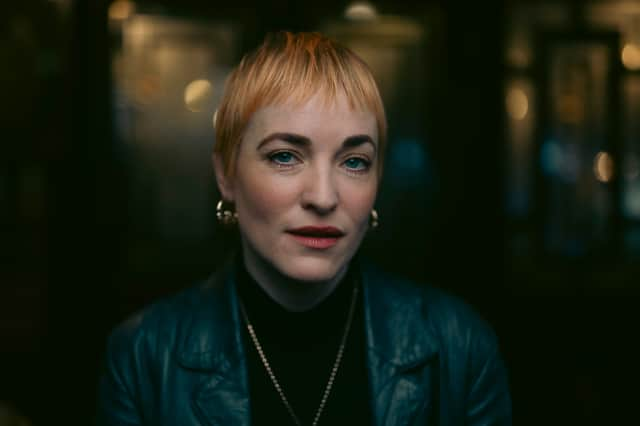
Lankum singer Radie Peat’s solo debut has been percolating for many years and sounds like it has been birthed from the very soil which inspired these traditional female-centric songs of love and struggle. Even the instruments seem to groan and heave on Luisne. But it is Peat’s beseeching tone which is the star. Dark Horse on the Wind is eight minutes of gothic keening over a steely drone, The Moon and Stars is a drum-heavy lament for a heartless lover who has abandoned the narrator to unwanted pregnancy, while murder ballad Willow Garden is almost fragrant in this company, if still weighted with woe.
CLASSICAL
Richard Strauss: An Alpine Symphony (Harmonia Mundi) ★★★★
This is not the first time Vasily Petrenko has recorded Strauss’s An Alpine Symphony. His 2020 recording with the Oslo Philharmonic reflected his mastery of the work’s organic narrative and symphonic vision, albeit nascent in its grasp of the finest textural details. Six years on, and comfortable in his relationship with the Royal Philharmonic Orchestra, detail is everything. For besides Petrenko’s expansive command of the mountainous adventure, one that encompasses ecstasy and darkness in equal measure, there is a probing adventurism in this live Royal Albert Hall recording that realises the most vivid of individual scenes, whether in the pastoral meadow idylls, the violent storms, the repressive shadowiness of the journey’s start, or the euphoria of the summit’s rapturous vista. Yet there is a thoughtful, permeating subtlety that lightly blurs the edges and heightens the mystery of an impressive, to some extent impressionist, performance, ensuring an impetus that never lets up. Ken Walton
JAZZ
Darius Brubeck Quartet: Live Again (ECN Music) ★★★★
Following last year’s well-received Live in Poland, this impressive album was recorded largely in Palermo’s ancient Real Teatro di Santa Cecilia. Informed by distinguished lineage but following his own creative path, pianist Darius Brubeck revels in the company of tenor saxophonist Dave O’Higgins, double-bassist Matt Ridley and drummer Wesley Gibbens. Brubeck shares leads with his colleagues, the album opening with Matt’s Different Views, a brief but resonant solo from Ridley, before the full band swing solidly into action in Brubeck’s Brexit Blues, O’Higgins’s tenor sax taking on laconic power before Brubeck adds further zest. Seasonal wistfulness evolves into purposeful journeying in Autumn Elegy, while Prelude and Funque is a rollicking, drum-propelled collision between JS Bach and Stevie Wonder and Transkei is a joyous township-flavoured piano and drums duet. The closing Somebody in Seoul effectively threads a winsome Korean folk theme through standard jazz changes. Jim Gilchrist
The Scotsman’s arts newsletter is now sent twice a week - subscribe today
Enjoying the Arts & Culture journalism on scotsman.com? Make it easier to find by selecting us as a preferred Google source
Want the latest Scottish headlines sent directly to your phone? Sign up to our new WhatsApp channel here
Comments
Want to join the conversation? Please or to comment on this article.